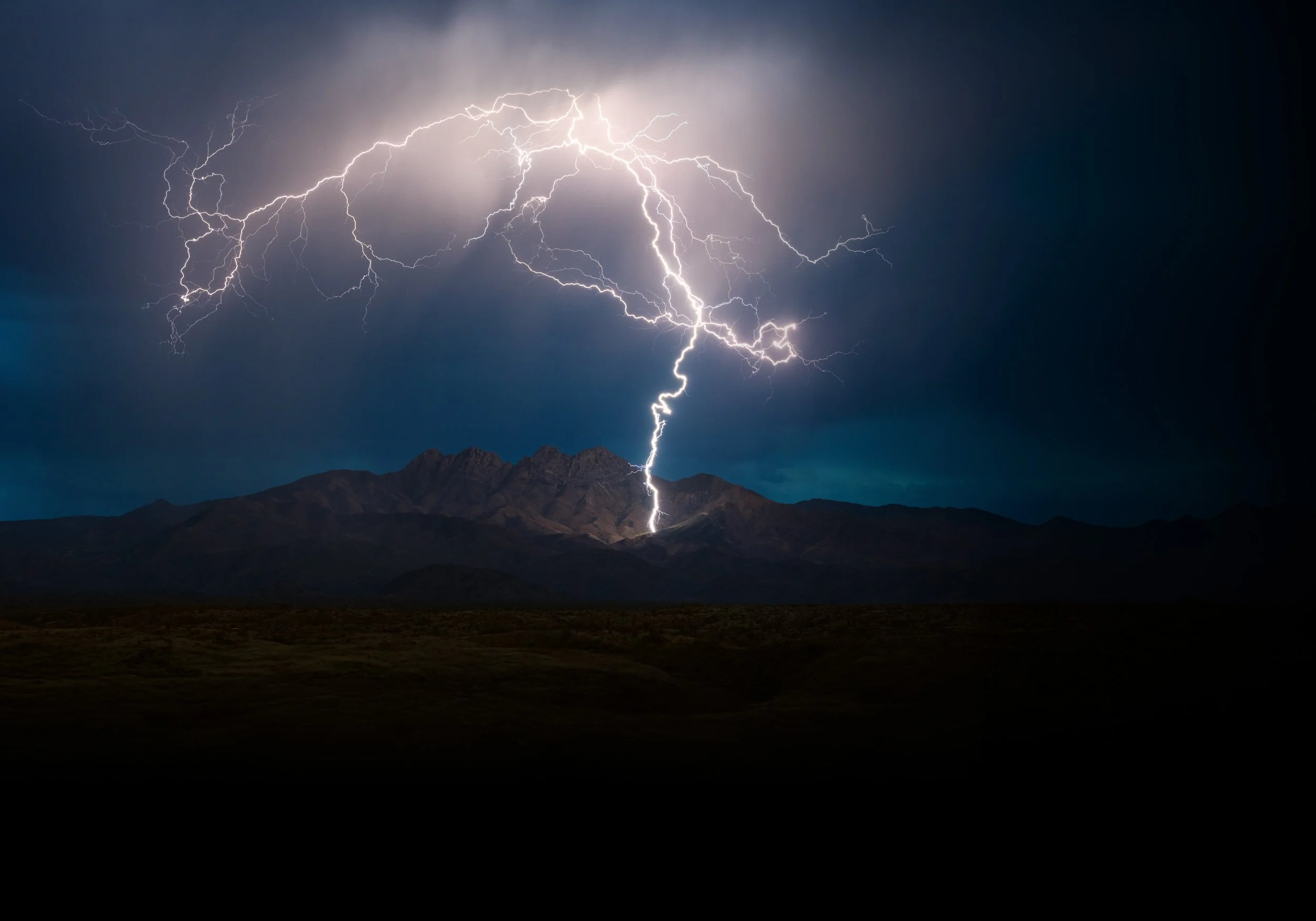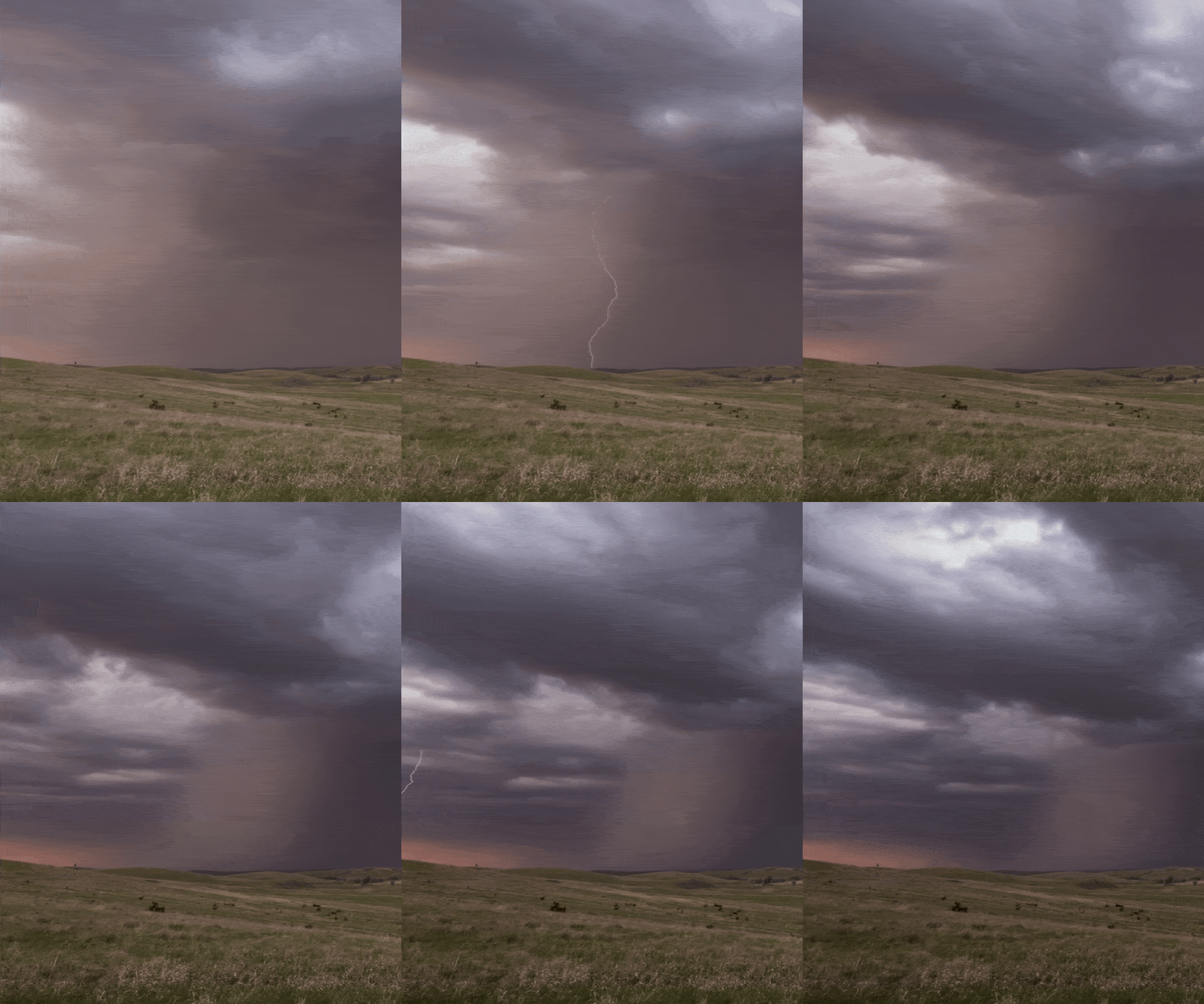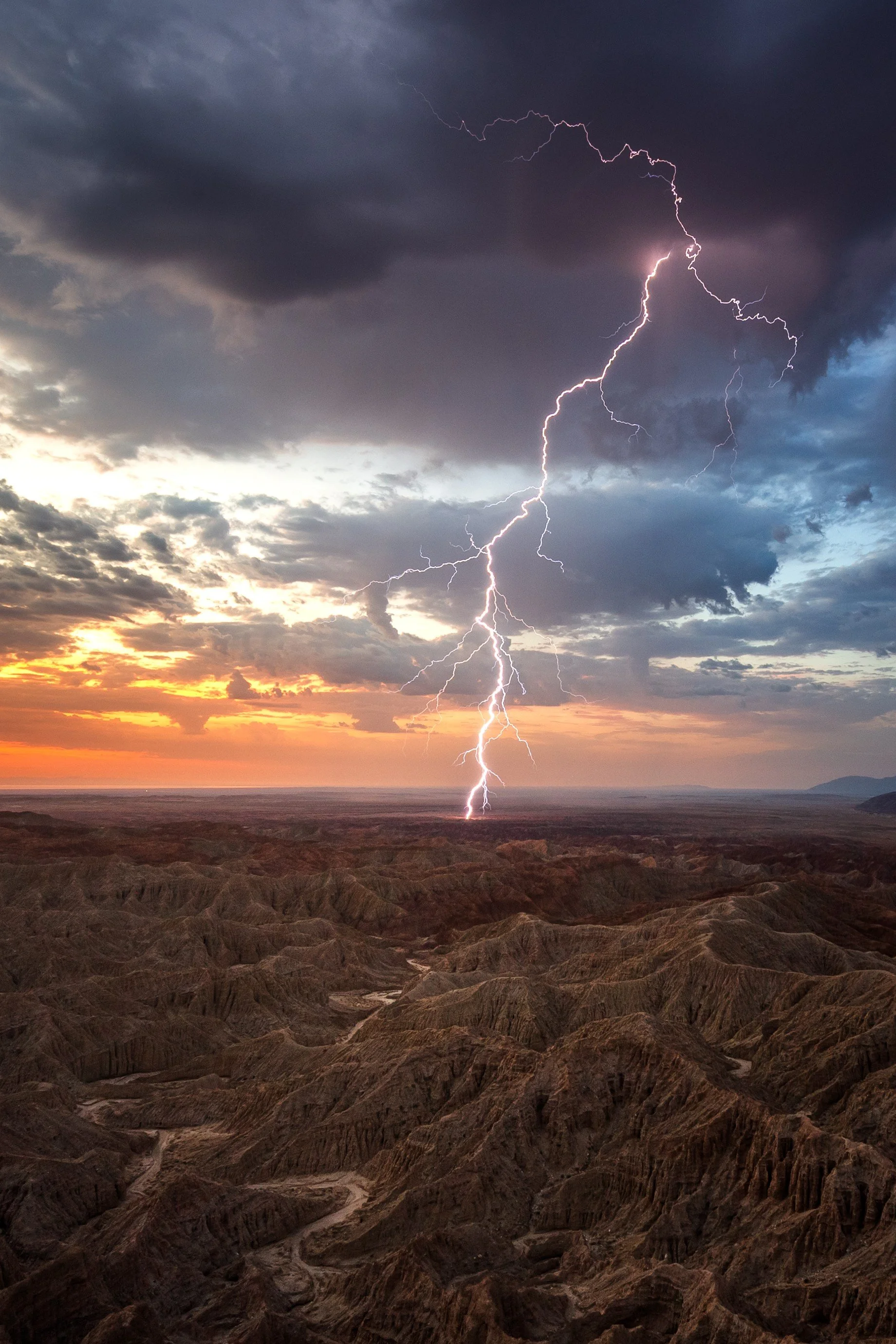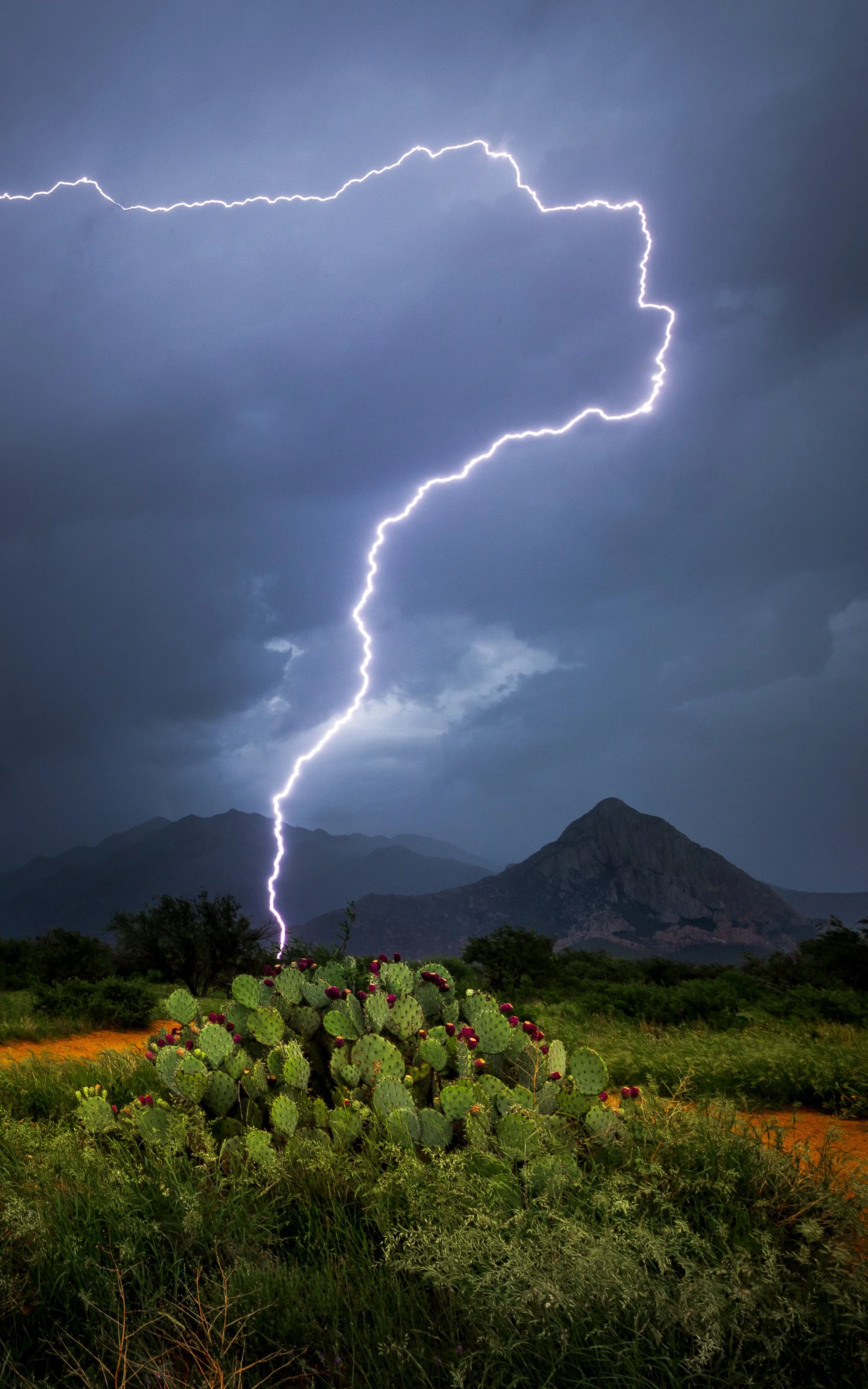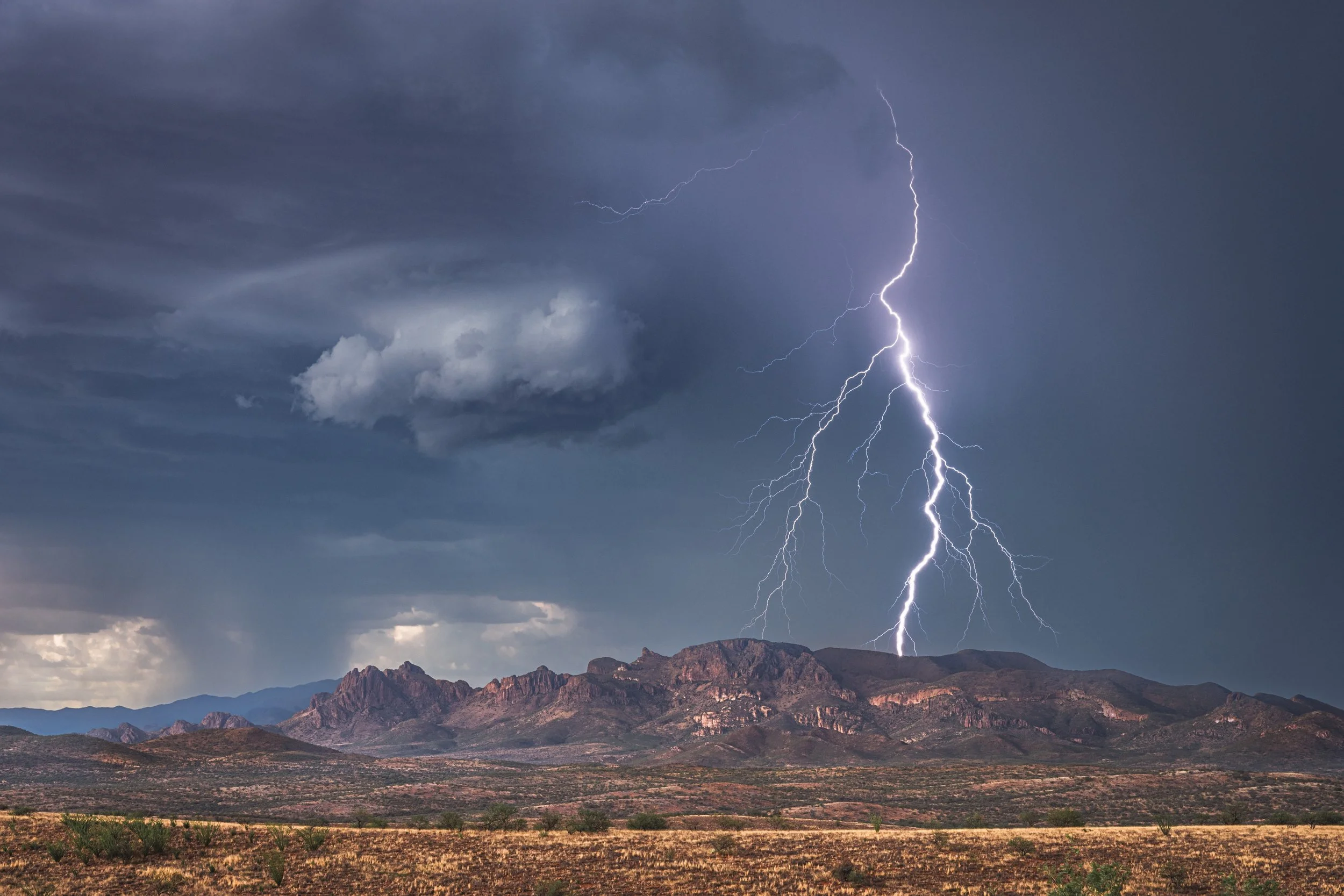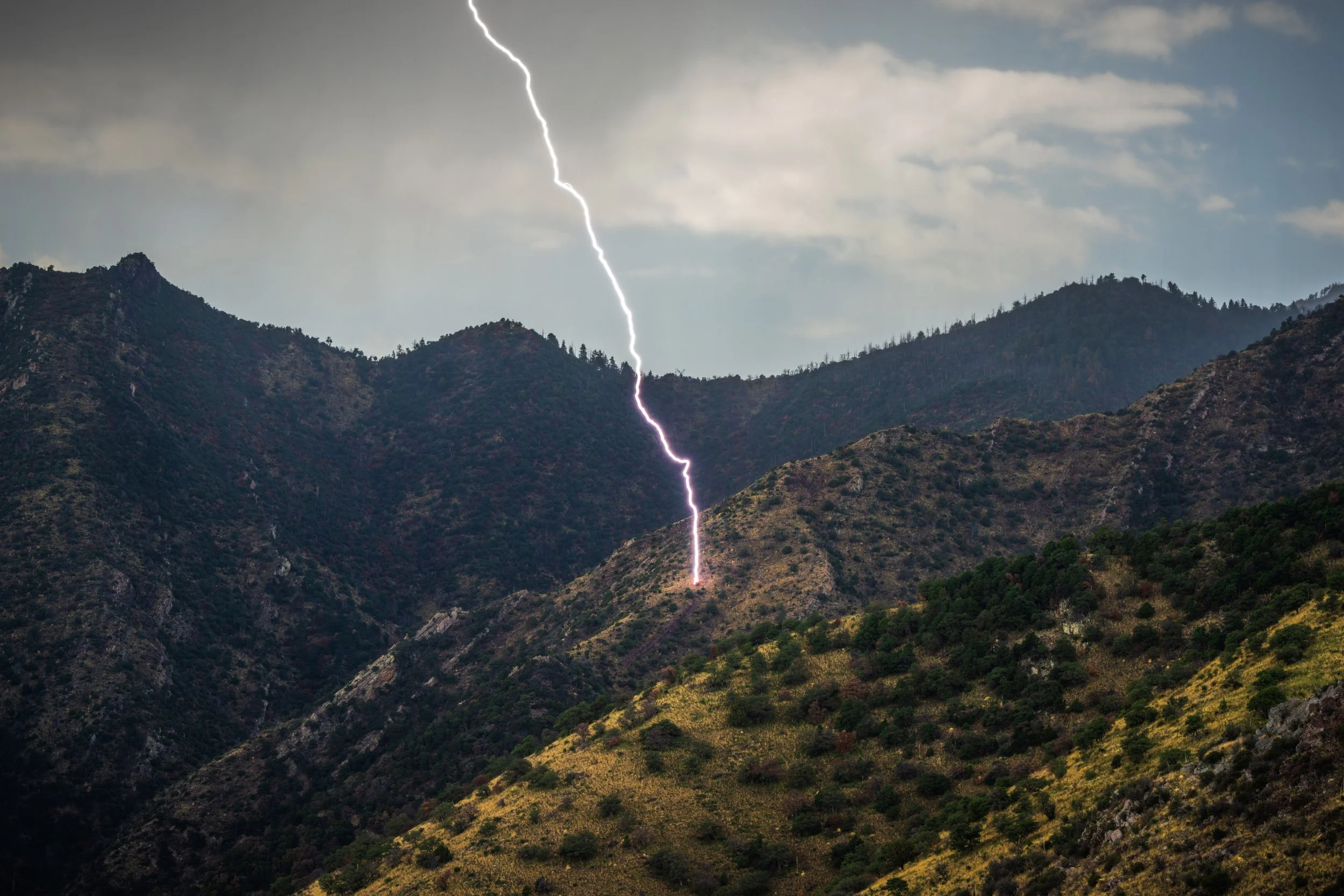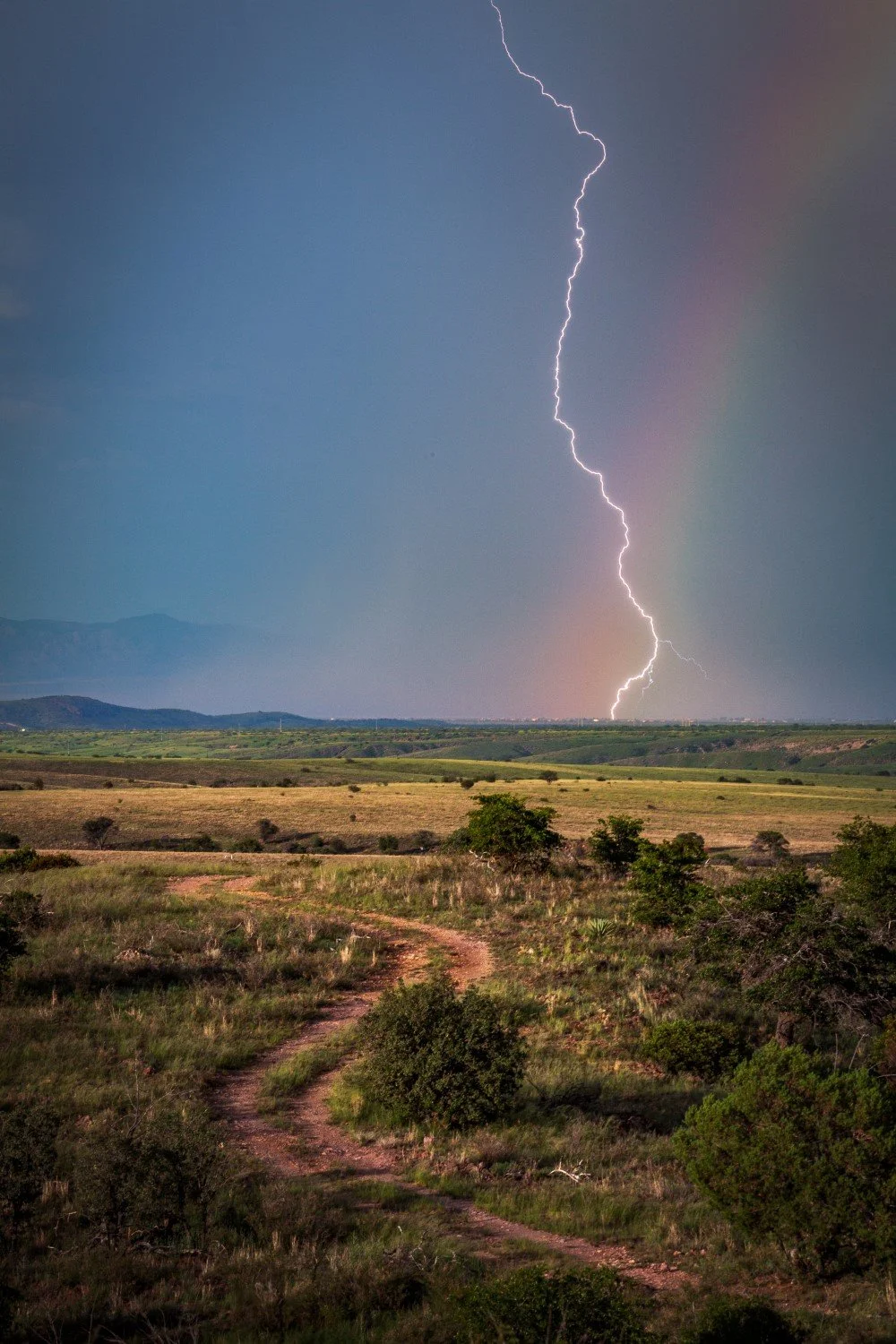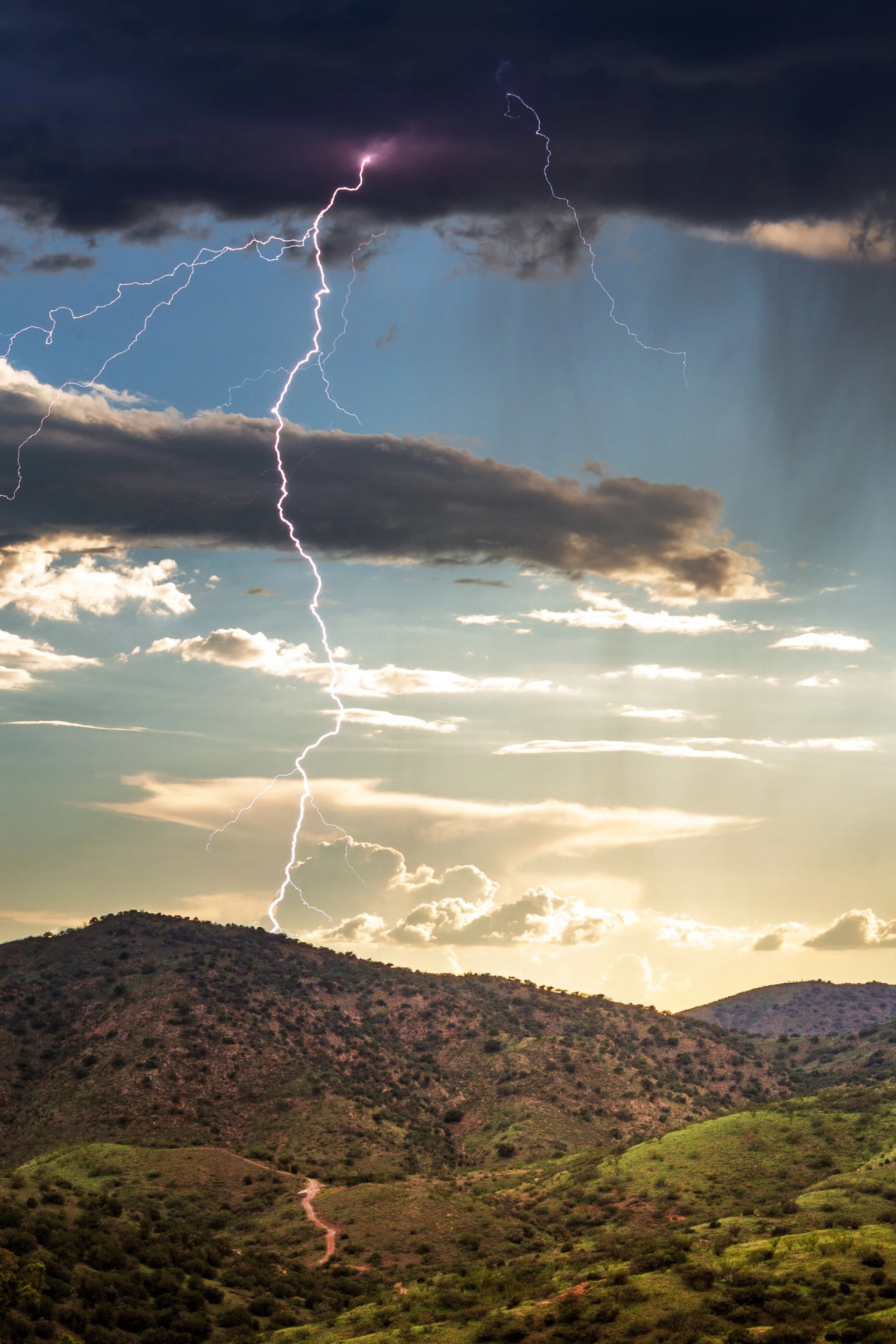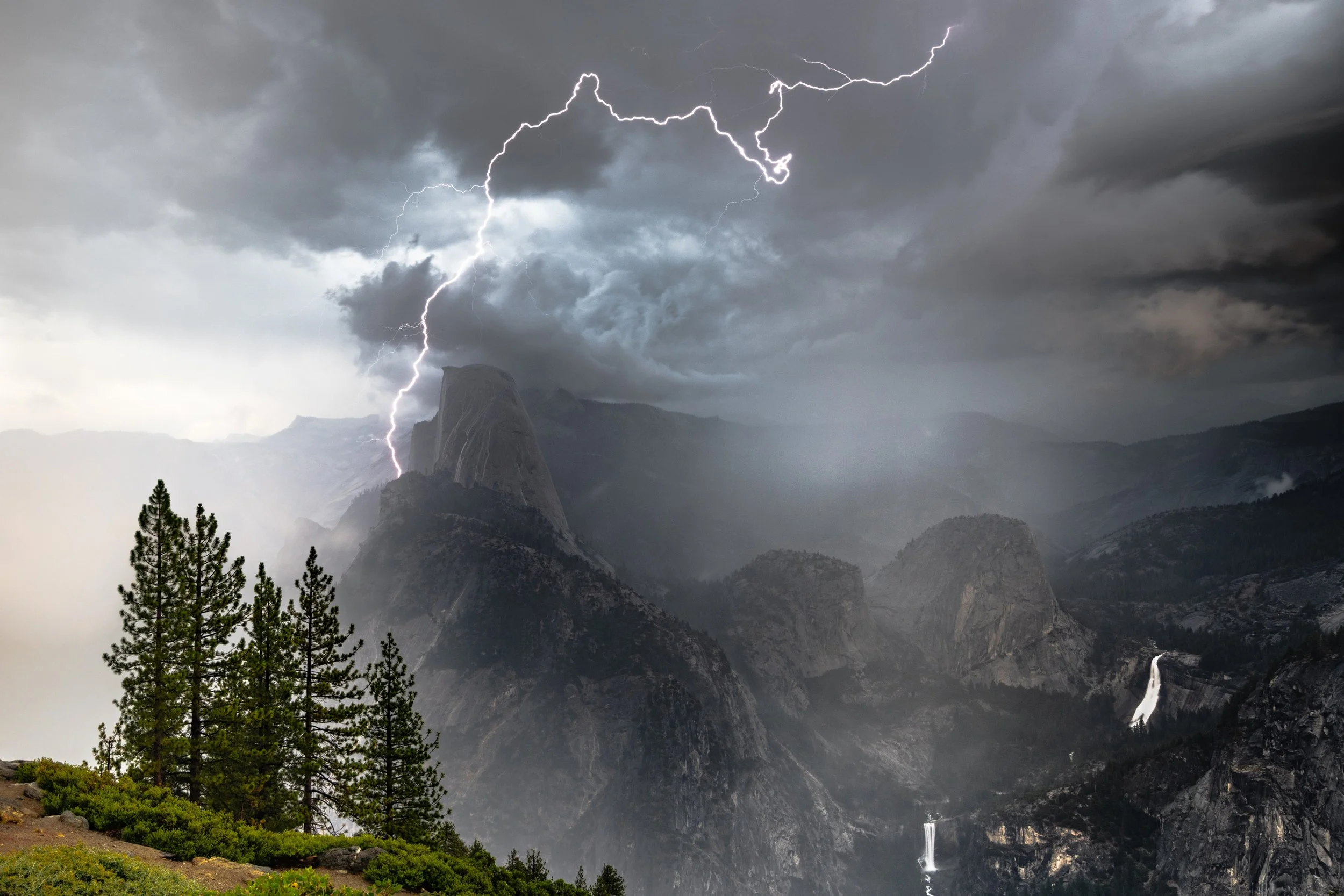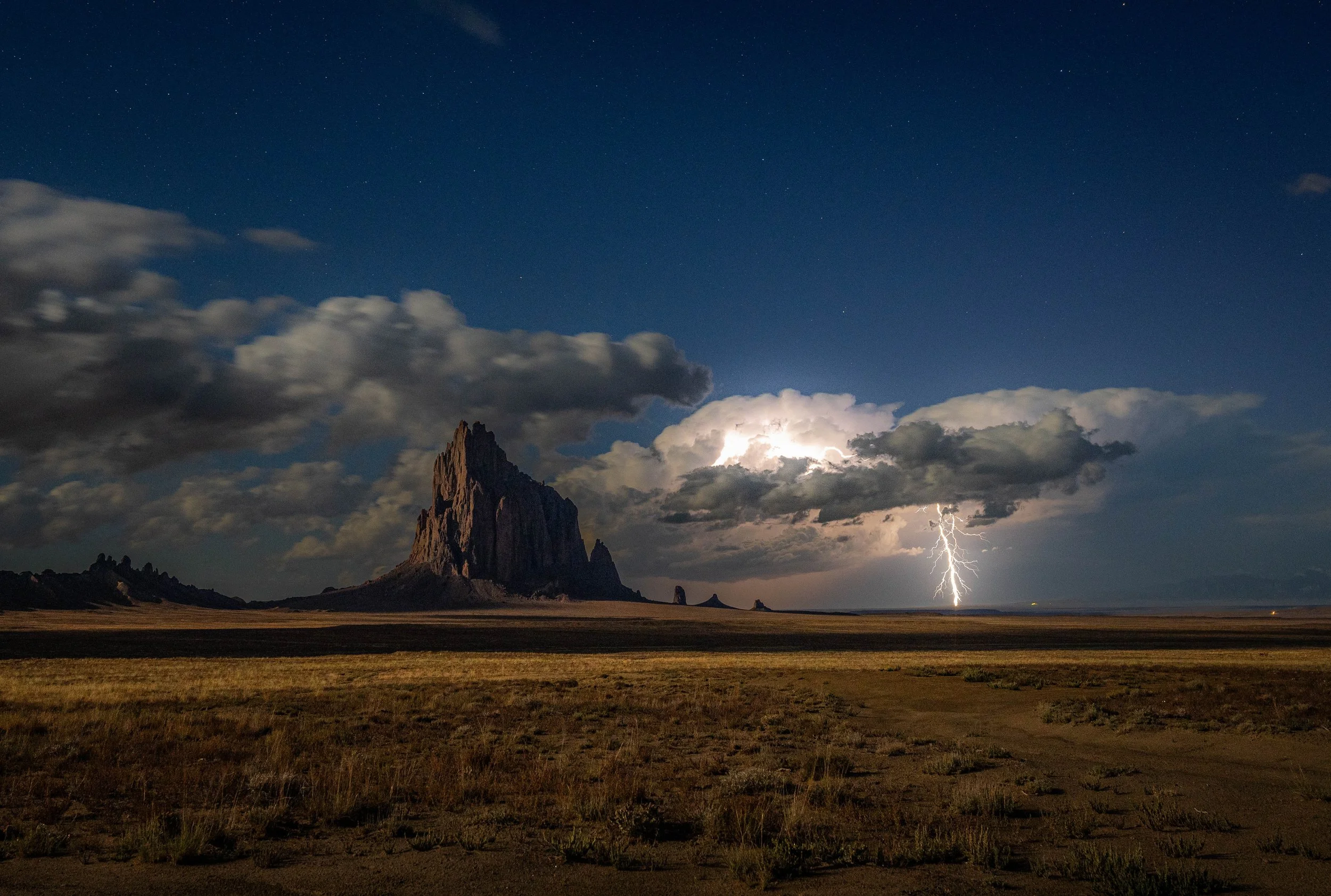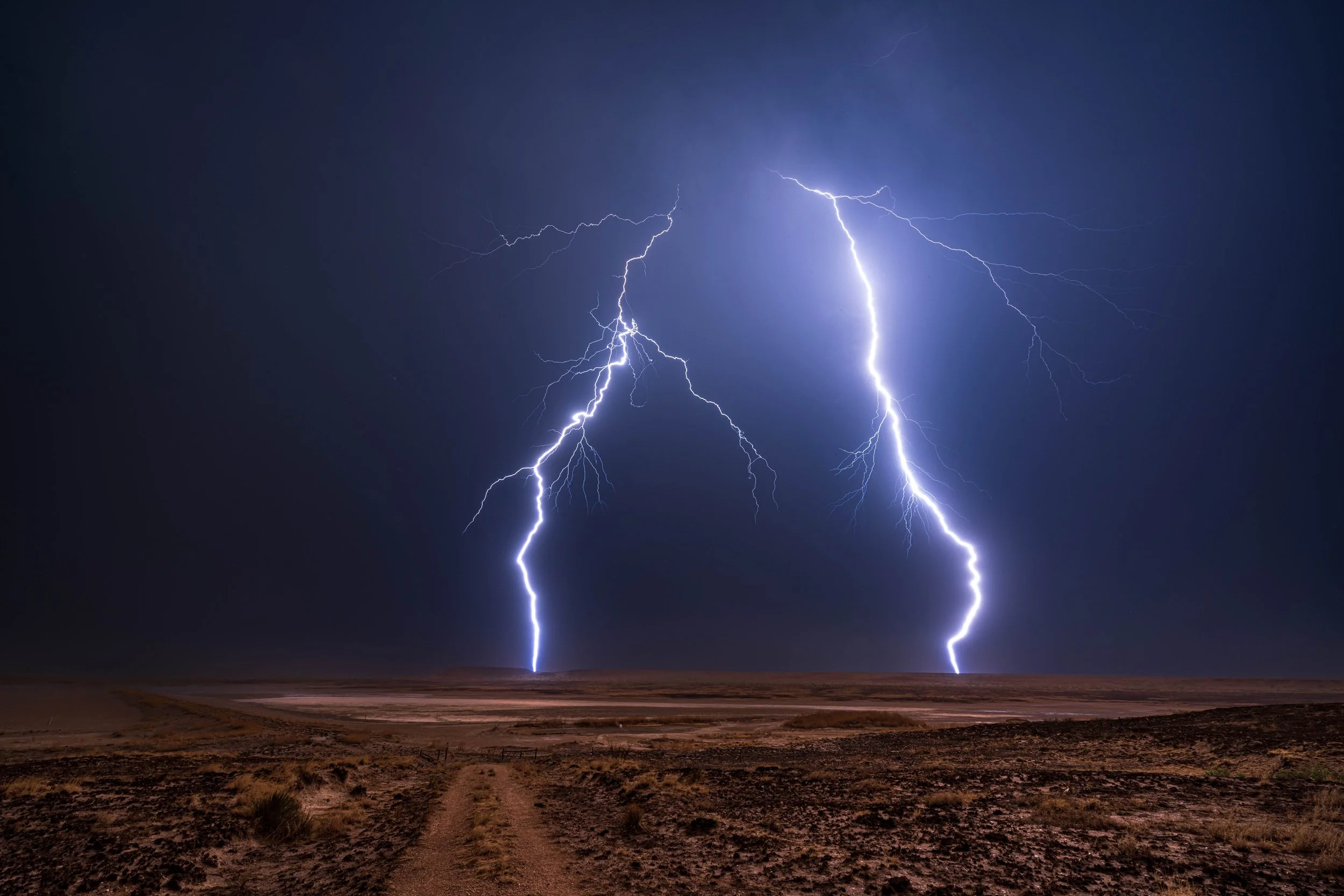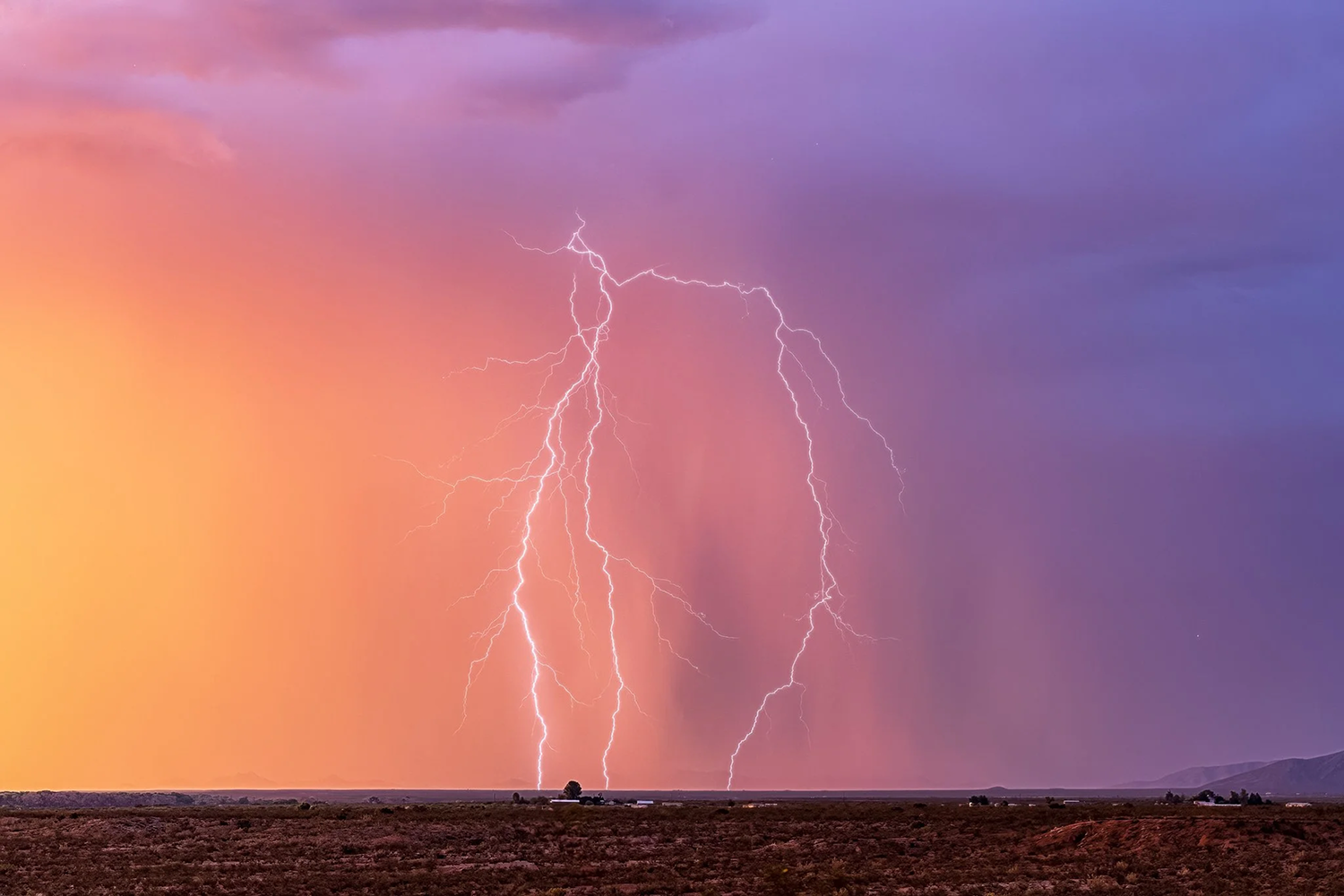
A lightning storm over a mountain landscape at night, with multiple lightning bolts striking from dark clouds.
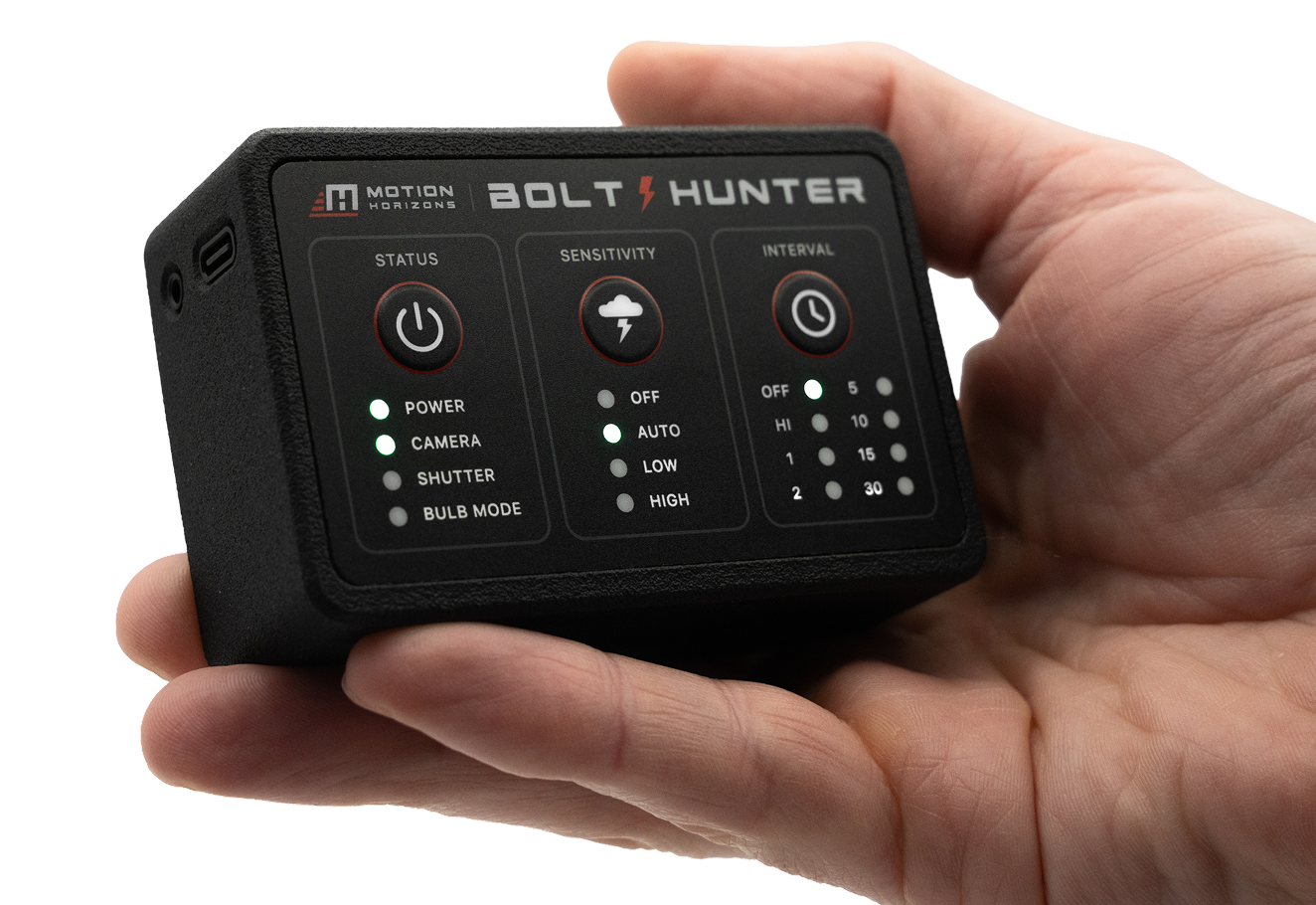
Black wireless device with labeled buttons and indicator lights for motion, sensitivity, and interval controls.
Bolt Hunter logo with a red lightning bolt between the words 'Bolt' and 'Hunter', and the slogan 'The future of lightning photography has arrived' below.
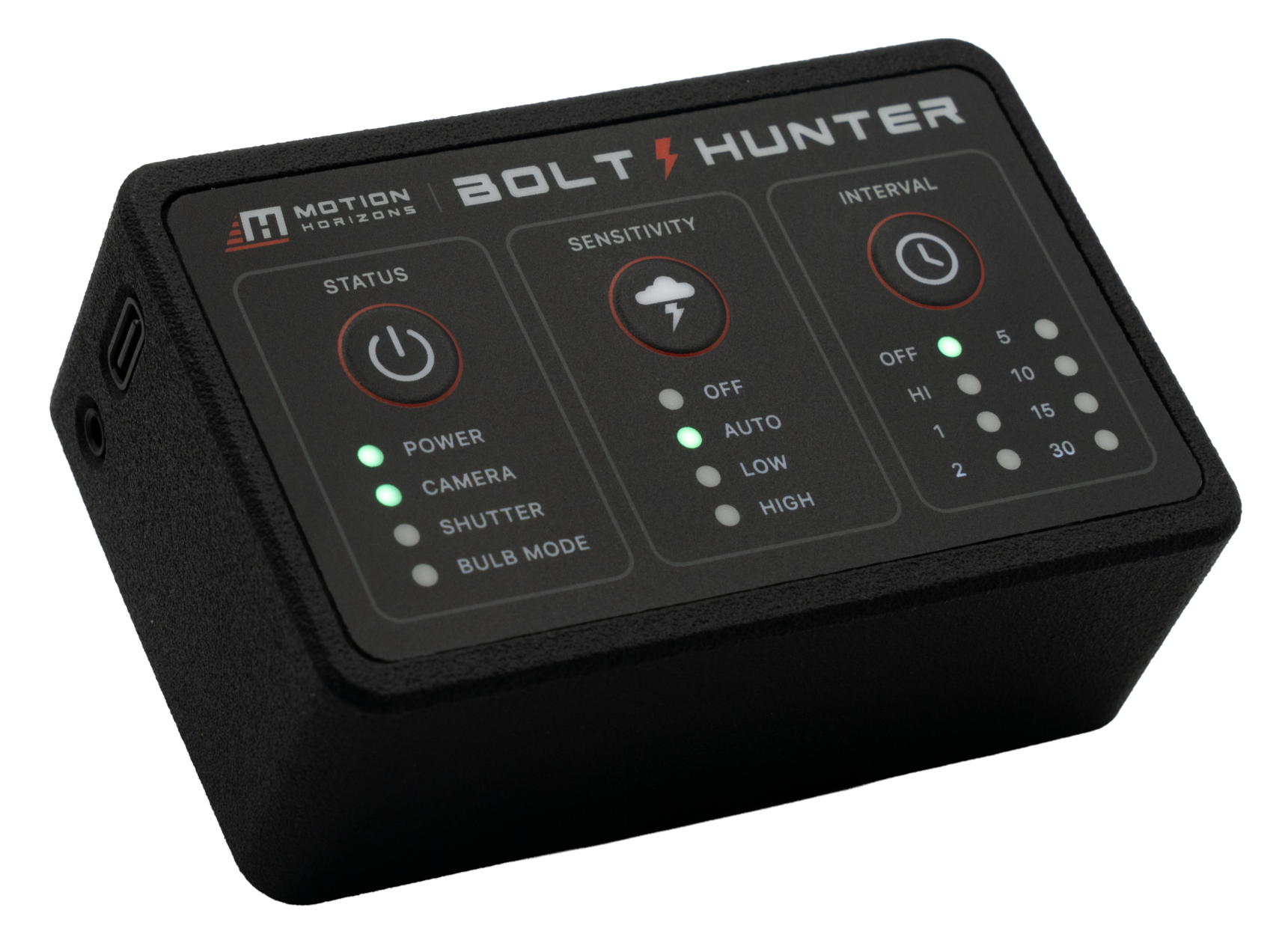
A black control device with three labeled sections: Status, Sensitivity, and Interval, each with buttons and indicator lights for various settings.
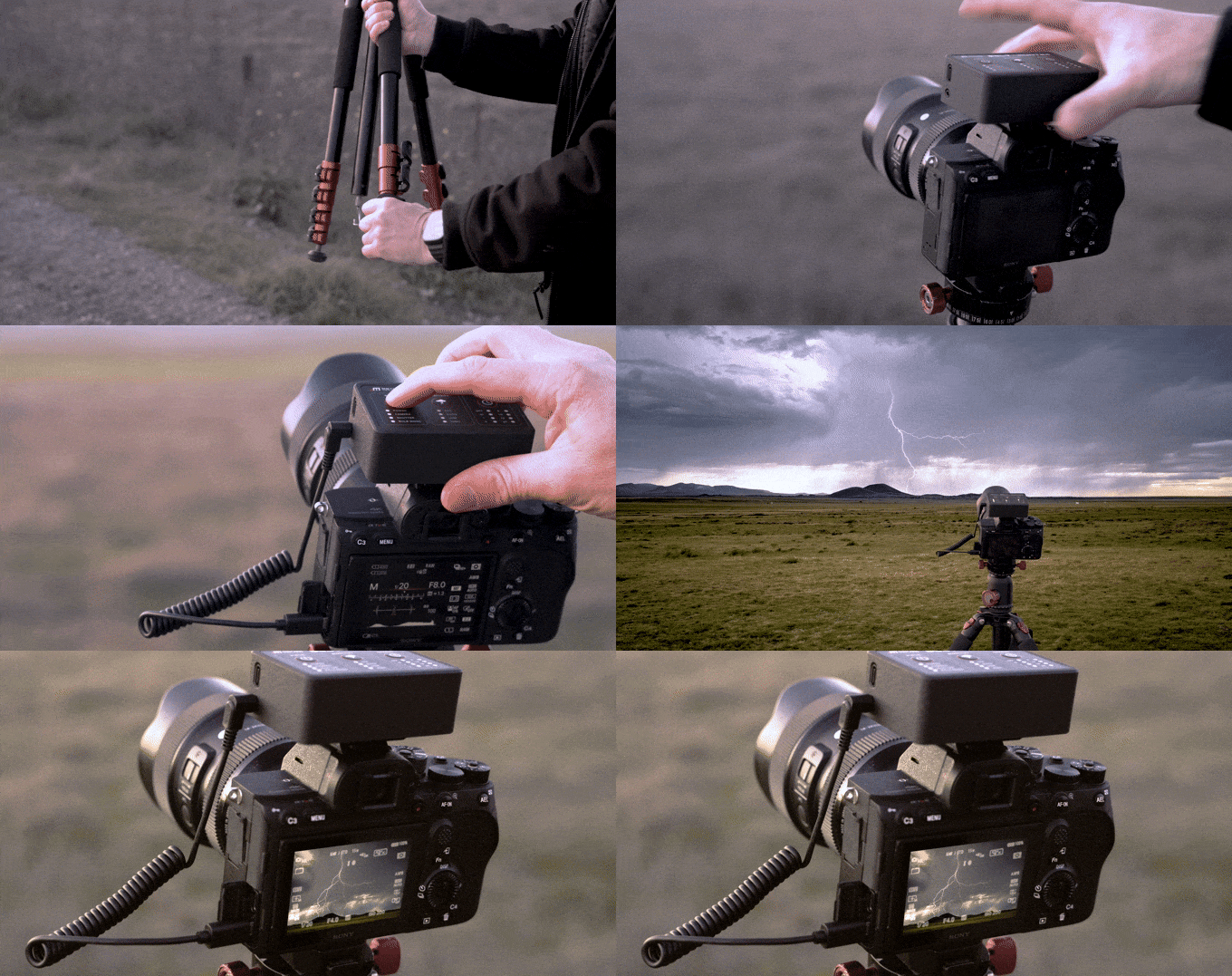
Setting up Bolt Hunter rapidly and easily capturing lightning shots

Meet Bolt Hunter

The lightning camera trigger designed by storm chasers, for storm chasers. This isn’t just another trigger. It's intelligent, grounded in science, and for the first time ever: predictive.

This project started with a single goal: to build a trigger that doesn't miss.
But we didn't stop there. We added weather sealing, smarter detection, predictive timing, simultaneous triggering and timelapse, a brand new night-mode, wireless control, connection monitoring, and so much more. 

Close-up of a hand holding a black electronic device labeled 'Bolt Hunter' with various buttons and indicator lights.

Bolt Hunter is the ultimate companion for weather photographers.

Not just a better trigger

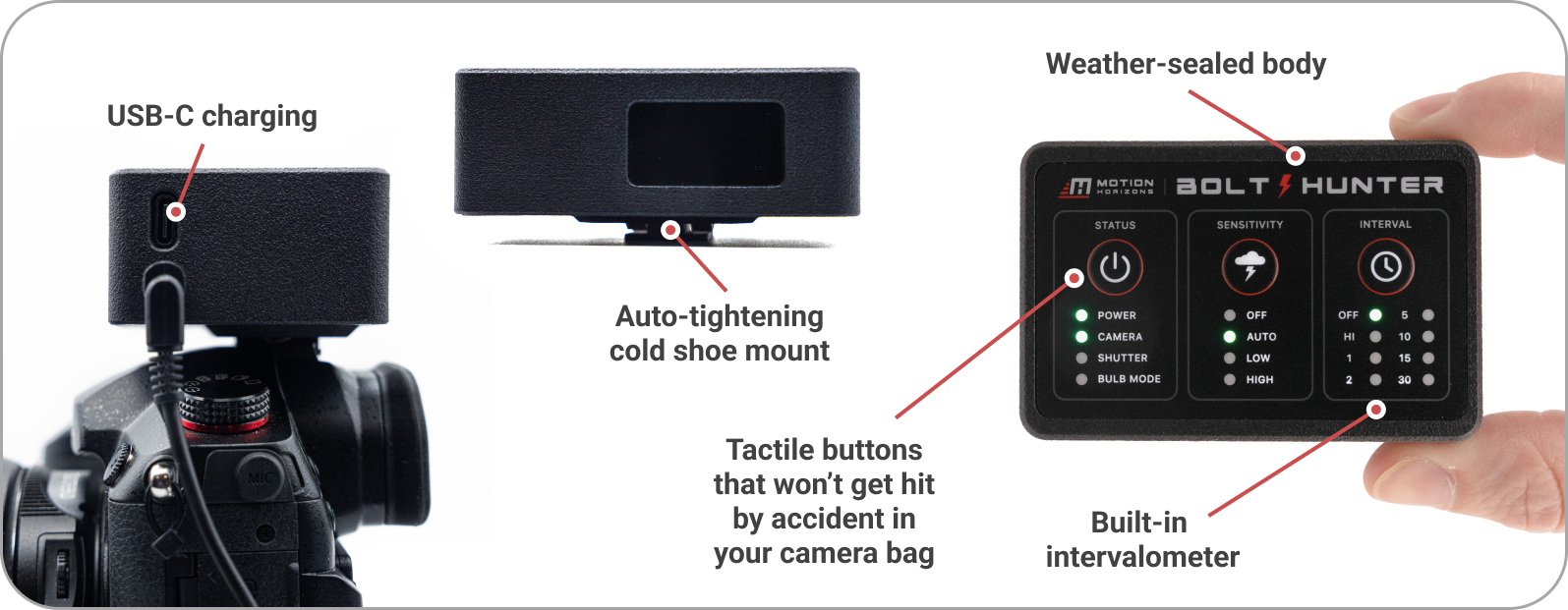
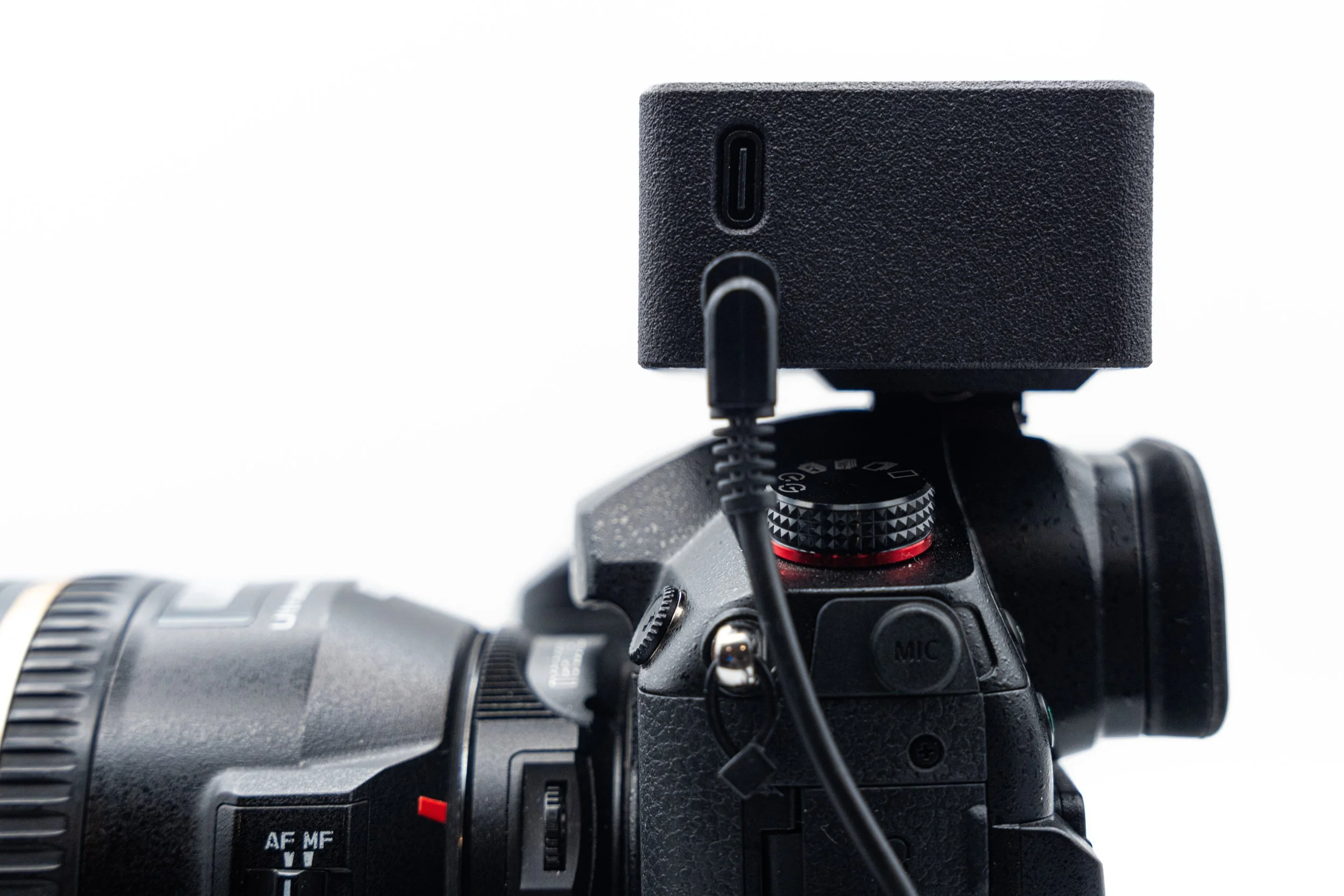
A camera mounted on a cold shoe with a weather-sealed body, a built-in intervalometer, soft tactile buttons, and a separate device connected via USB-C for auto-tightening on the cold shoe, used for camera interval shooting.
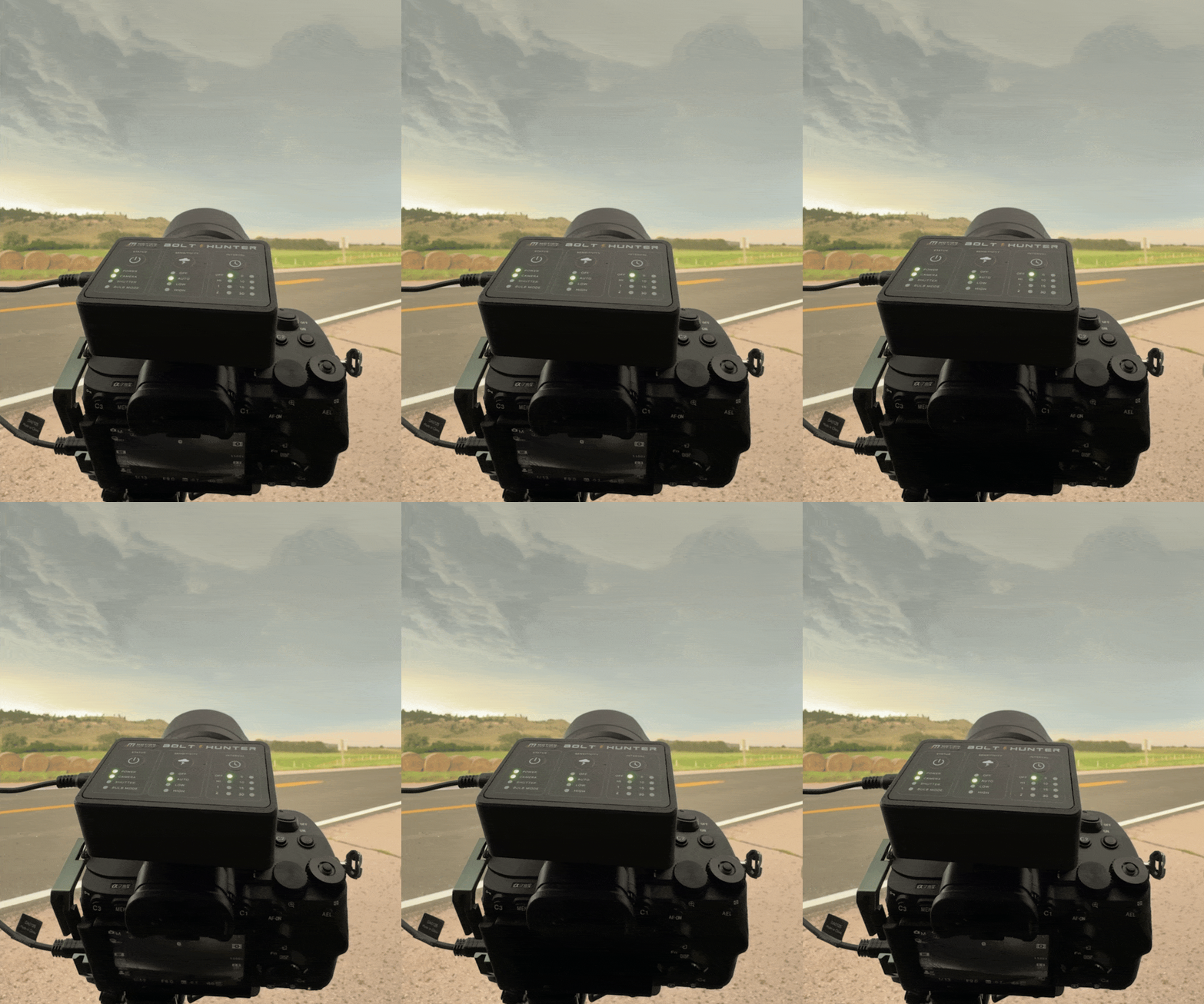
Camera mounted on a vehicle capturing an outdoor landscape of a roadside with hay bales, a hill, and a partly cloudy sky during sunrise or sunset.

Optimized sensor
for lightning

Featuring adjustable sensitivity and automatic ambient light compensation.

Overcast sky with dark clouds over open grassy landscape with small shrubs and gently rolling hills.

Simultaneous Lightning + Timelapse

Triggers on bolts in between timelapse exposures, and auto-adjusts intervals.
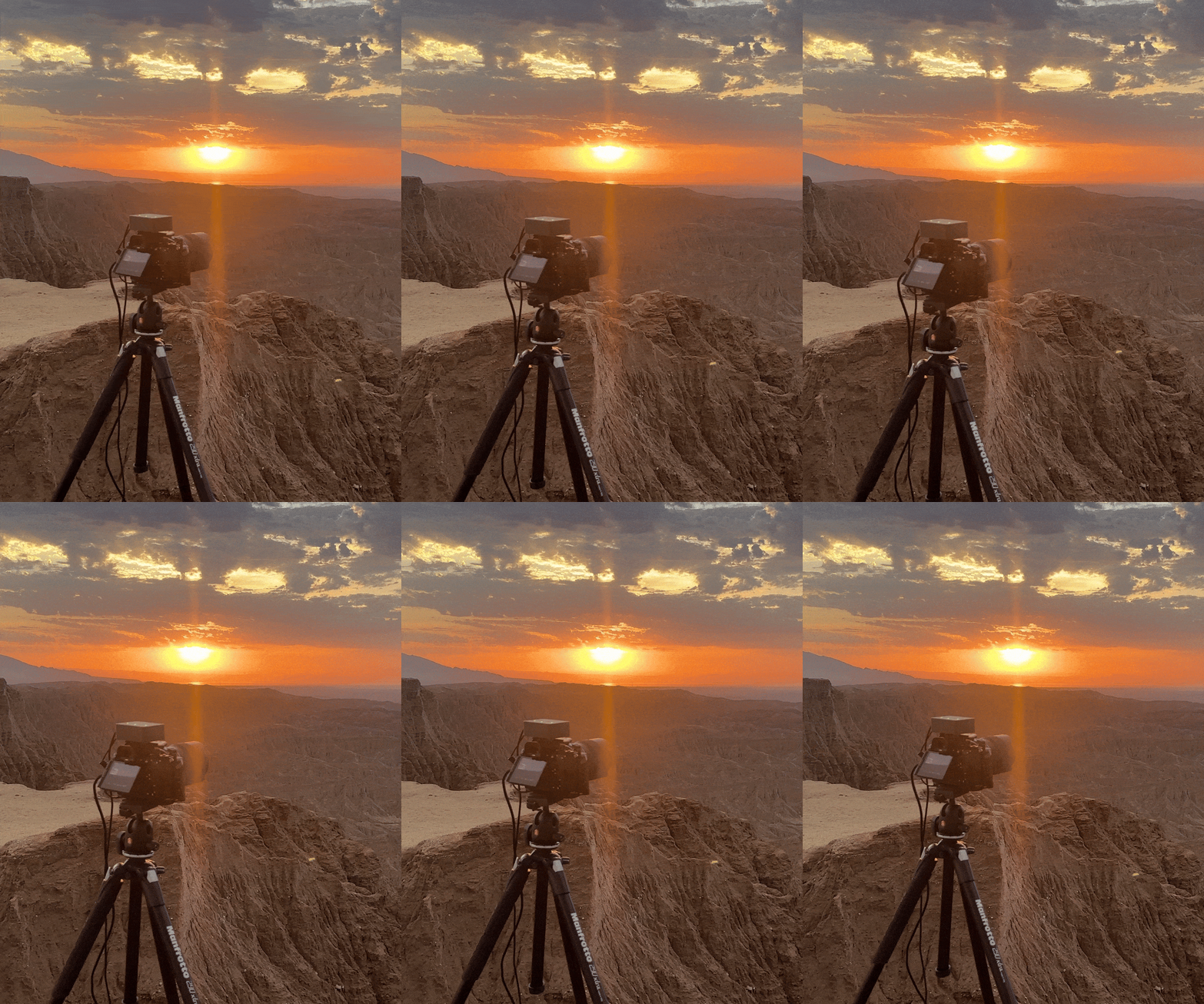
Camera on a tripod capturing a sunset over rugged mountains and canyons.

Triggers even in direct sunlight

Because sunset bolts are EPIC.

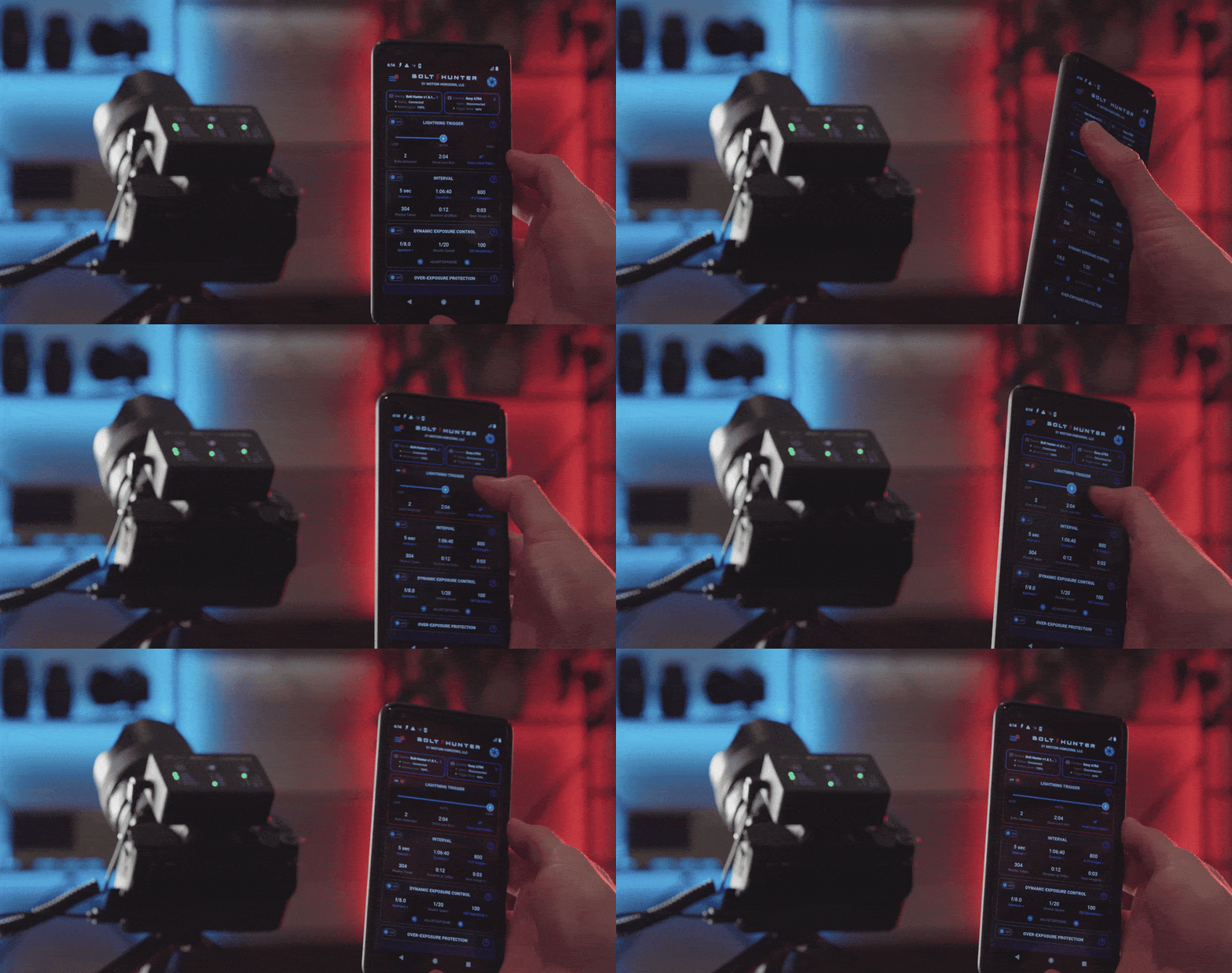
A person holding a smartphone displaying the Bolt Hunter app, with photography equipment on a tripod in the foreground, in a dark room with red and blue lighting.

Optional Mobile App for Advanced Control

Change settings, see stats, and receive notifications from the safety of a vehicle or building.
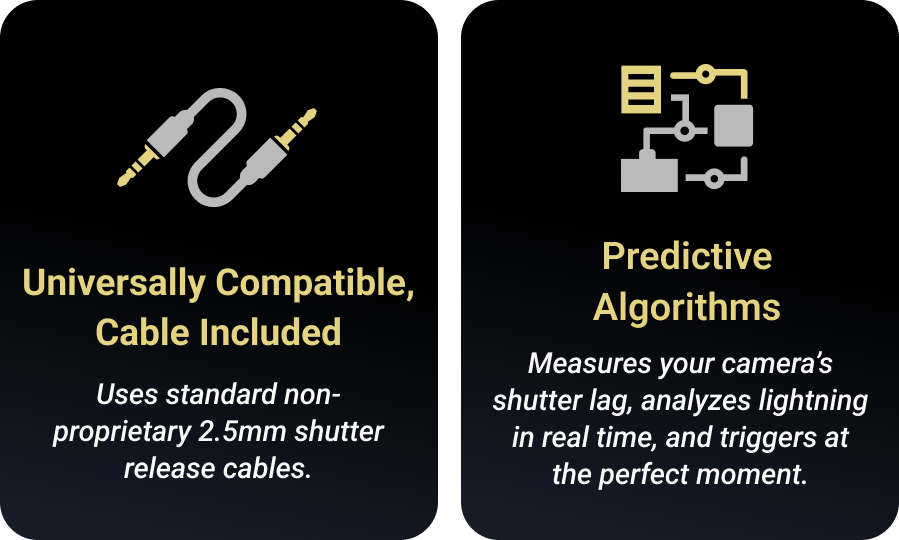
Comparison of two camera accessories. The left side shows a universal, compatible camera cable with a 2.5mm shutter release cable, featuring an illustration of a gray cable with black connectors. The right side promotes predictive algorithms that analyze camera shutter lag, lightning, and trigger at the perfect moment, represented by a flowchart diagram.
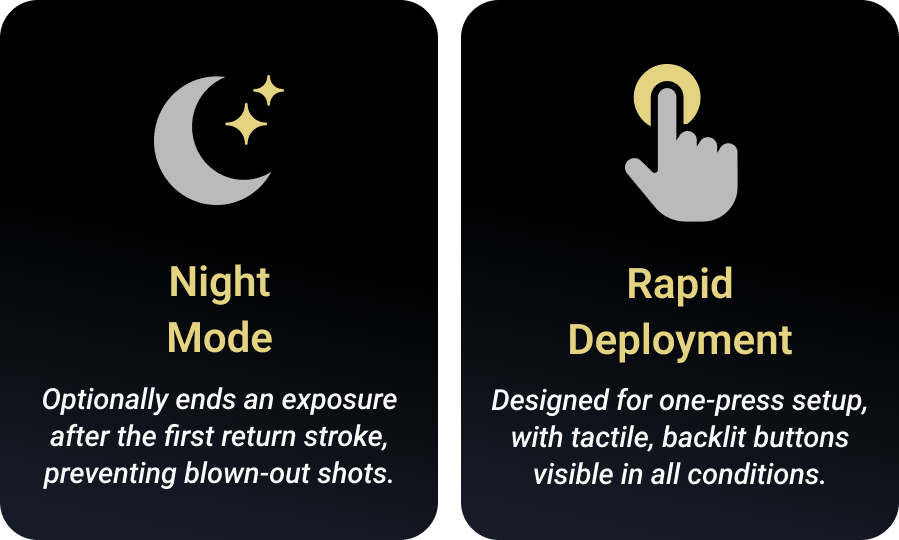
Night Mode and Rapid Deployment features, with icons of a moon and stars and a hand pressing a button.
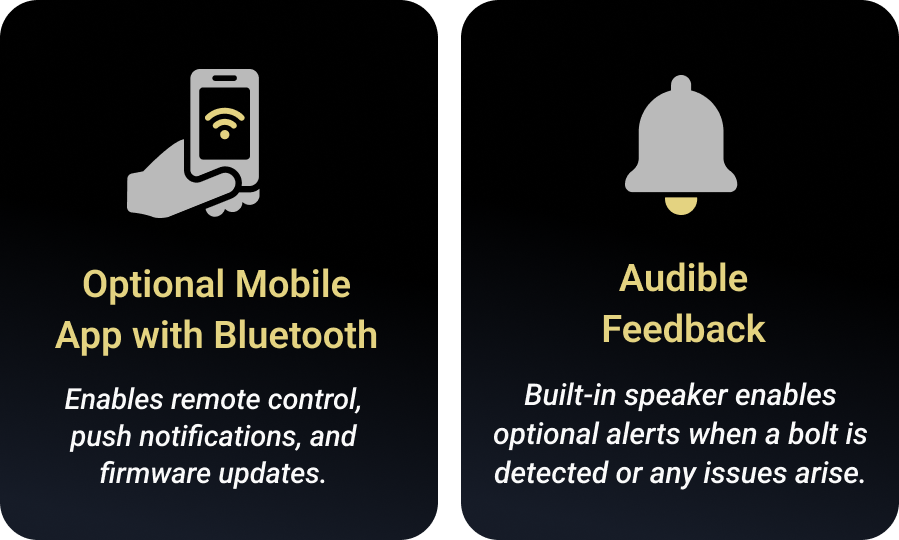
Graphic showing a smartphone with a Wi-Fi symbol and a bell icon. Text indicates features such as optional mobile app with Bluetooth for remote control, push notifications, and firmware updates, and audible feedback with built-in speaker for alerts on issues.
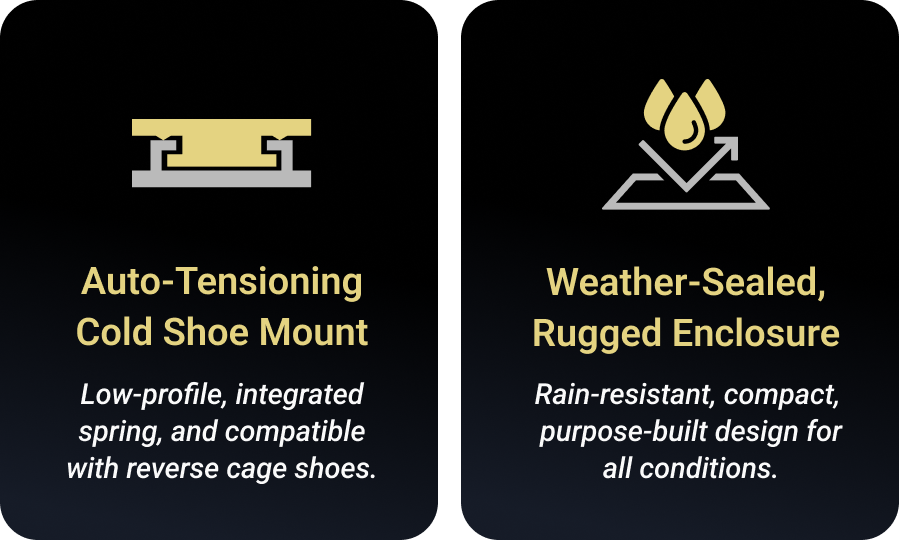
Icon of a cold shoe mount and text describing an auto-tensioning cold shoe mount and a weather-sealed rugged enclosure, with details about their features.
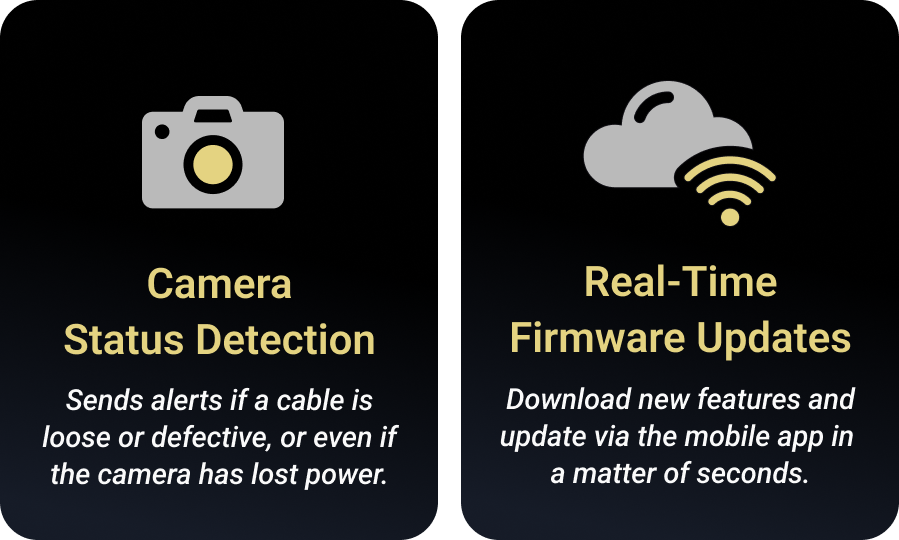
Split screen infographic with icons; left shows a camera icon with text 'Camera Status Detection' and a description about alerting if a cable is loose or the camera is powerless, right shows a cloud icon with Wi-Fi symbol labeled 'Real-Time Firmware Updates' and a description about downloading new features via mobile app quickly.
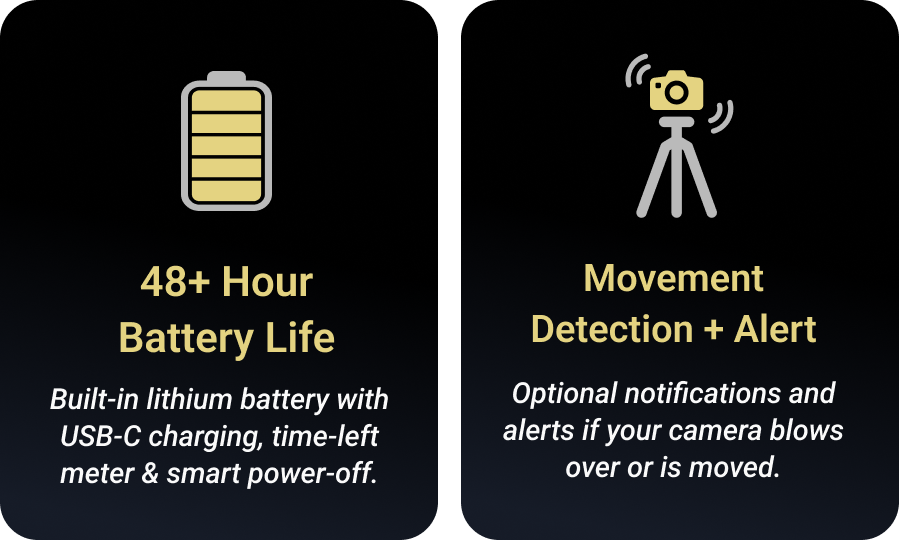
Infographic highlighting a device's features: a battery icon with '48+ Hour Battery Life' and text explaining built-in lithium battery with USB-C charging, time-left meter, and smart power-off; a camera icon with 'Movement Detection + Alert' and text about optional notifications and alerts when the camera is moved or blouses over.

Compatibility

Bolt Hunter works with almost every camera on the market. Check your model here.

Built for Every Storm Photographer

From beginners to seasoned chasers, Bolt Hunter makes lightning photography simple.

Behind the Tech

A look at the engineering that makes Bolt Hunter unique.

A landscape with rocky mountains under a cloudy sky, with overlaid text reading "100% Playback Speed."

During R&D, we collected and analyzed thousands of lightning events, and the data revealed three key things that make or break a photo:

  1. Early detection of the faint intracloud flashes that happen before a strike

  2. Each camera’s unique shutter lag

  3. The right shutter speed to match the storm

We learned that most triggers miss because they only react. Lightning happens faster than any camera can respond.

Shutter lag doesn’t stand a chance

Bolt Hunter actually measures your camera’s unique shutter lag and combines it with a predictive algorithm to anticipate the next return stroke.

It fires at the optimal moment, even during faster shutter speeds, significantly improving success rates.

Six graphs with multiple peaks, each plotted on different x and y axes, showing spectral data or signals.
A mathematical equation related to triggering time.

Lightning photography is just a math problem.

Bolt Hunter solves it for you.

Chasers across the country have already captured some incredible lightning shots using pre-production units. The feedback has been overwhelmingly positive and consistent:

Bolt Hunter is the “most reliable” trigger they’ve ever used.

Field-Tested.
Chaser-Approved.

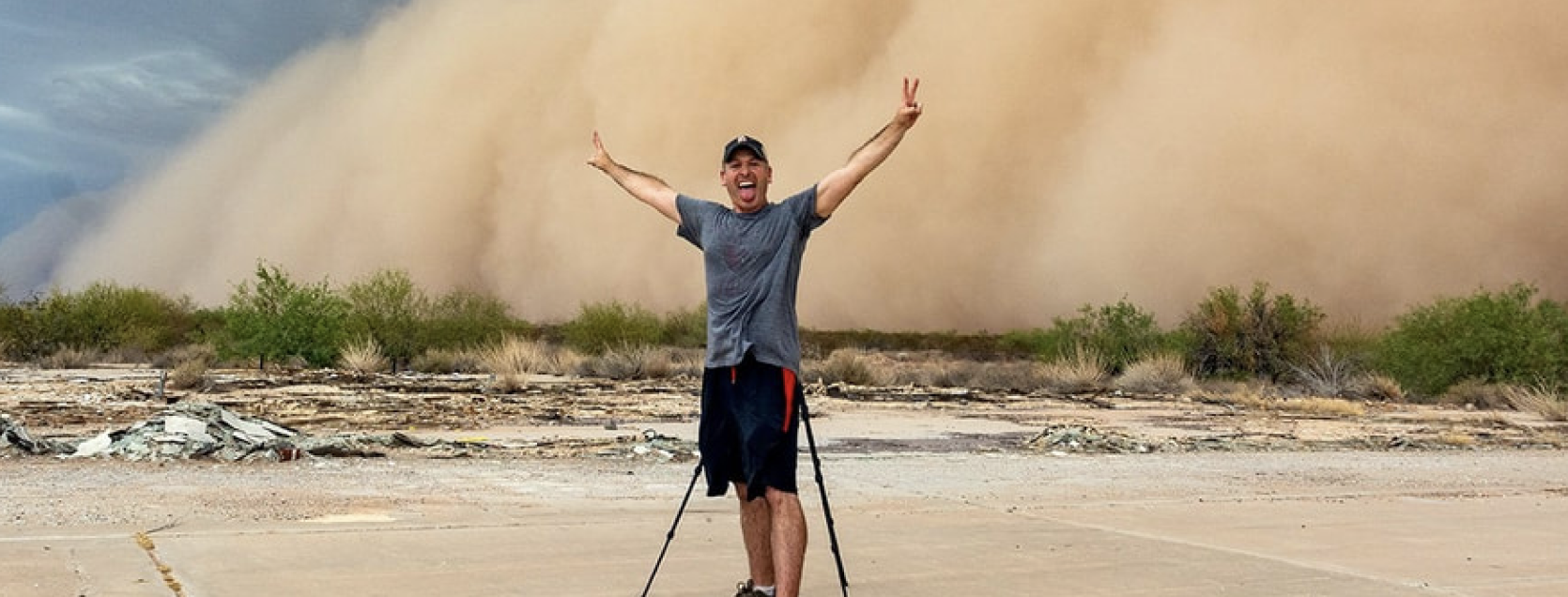
A man smiling with arms raised making peace signs standing on a desert road with a dust storm and sparse desert vegetation in the background.

“It’s better than anything I’ve used before. I wouldn’t want to shoot with anything else.”
- JOHN SIRLIN

Storm photography tour guide and veteran storm chaser with over 30 years of experience.

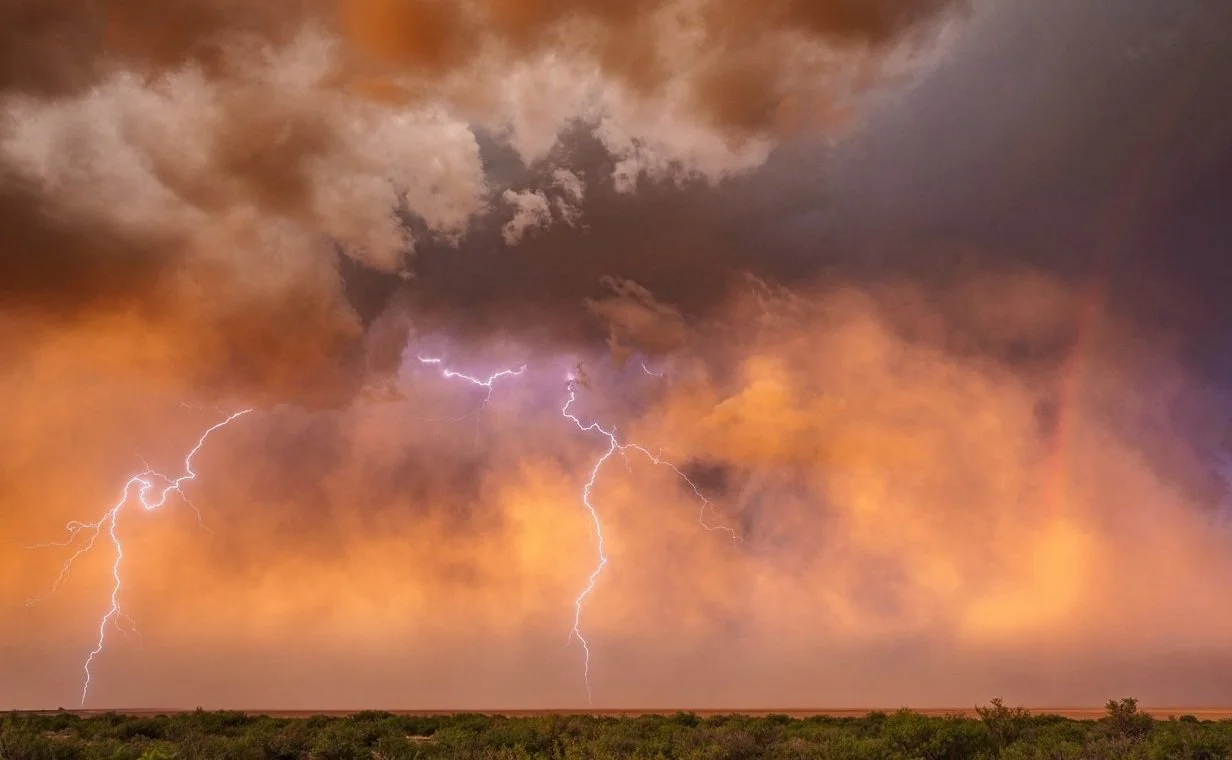
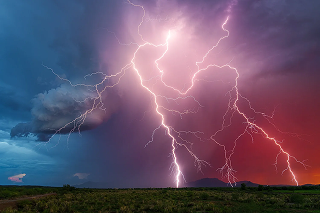
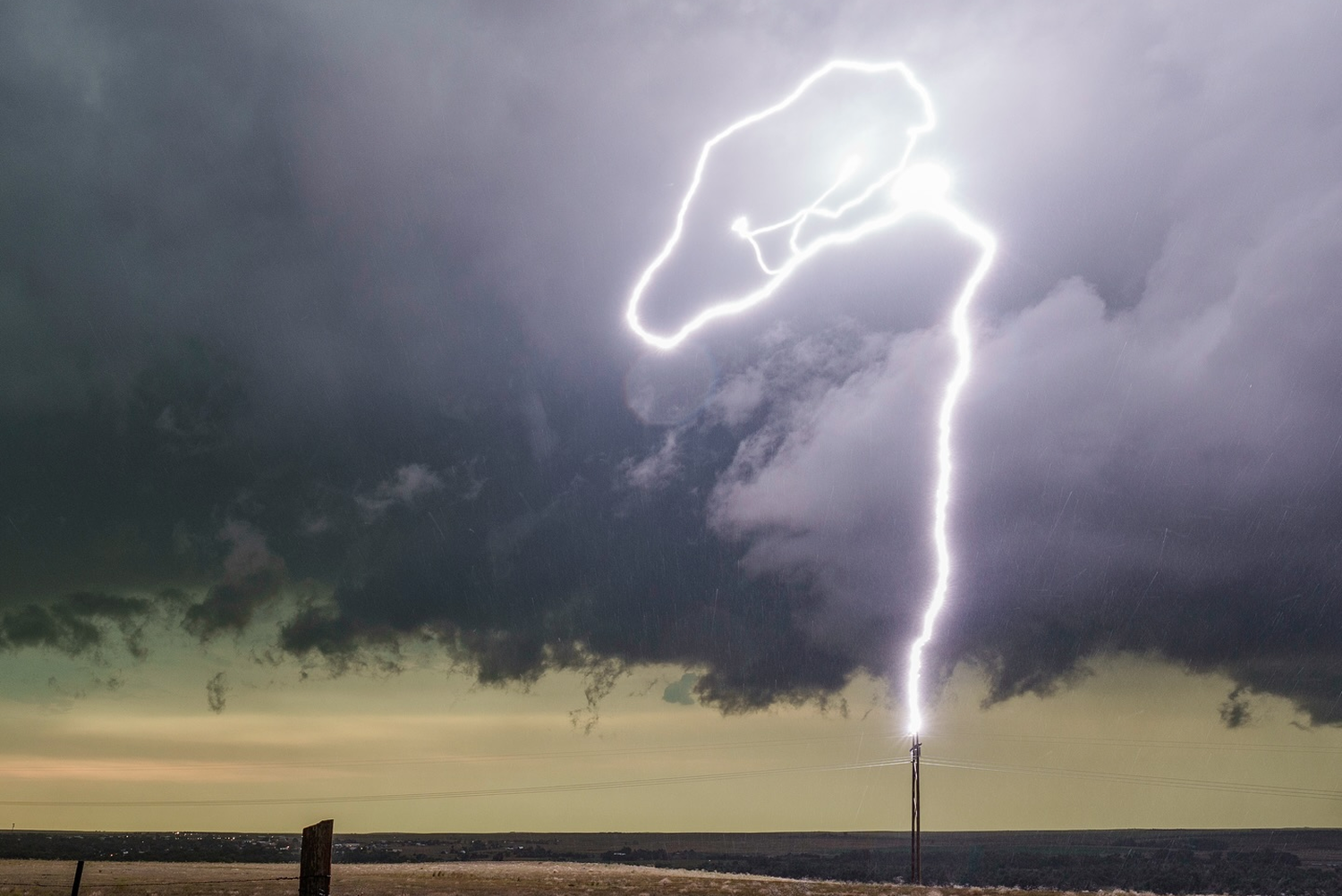
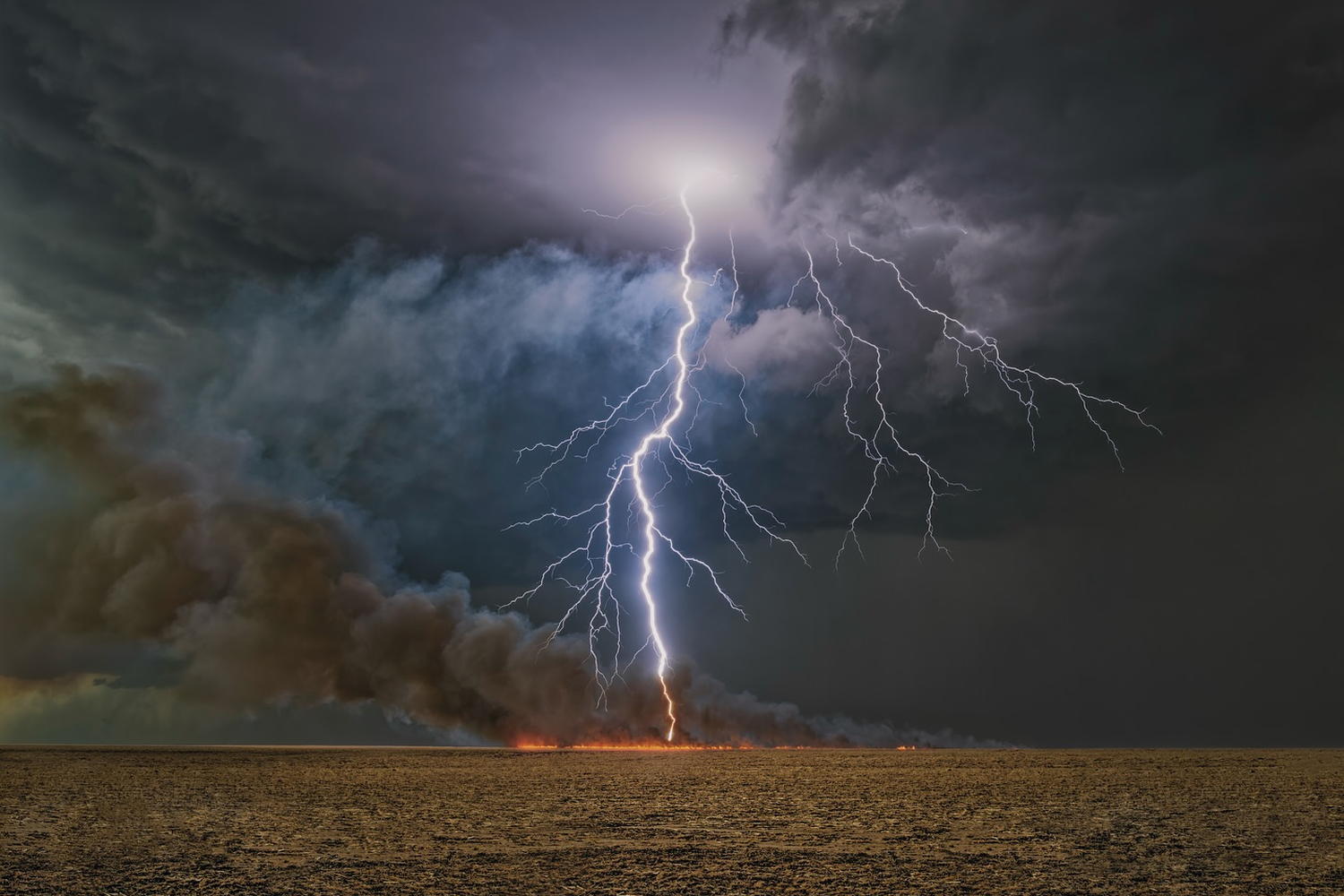
Lightning strikes over a desert landscape with dark stormy skies and distant mountains.
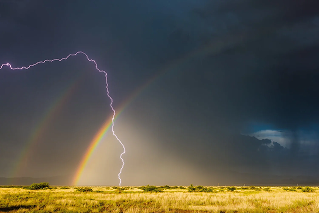
Lightning bolt strikes sky over a stormy landscape with clouds and farmland at sunset.
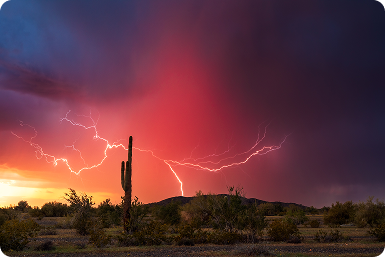
Lightning storm over desert landscape with cacti during sunset
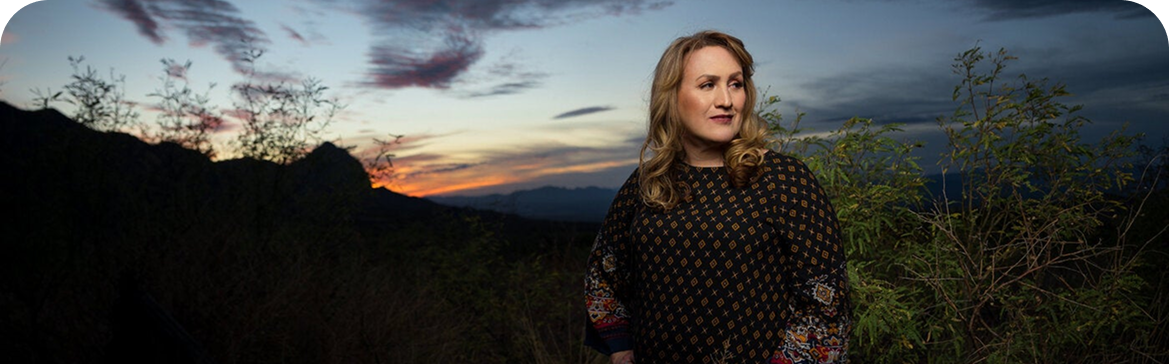
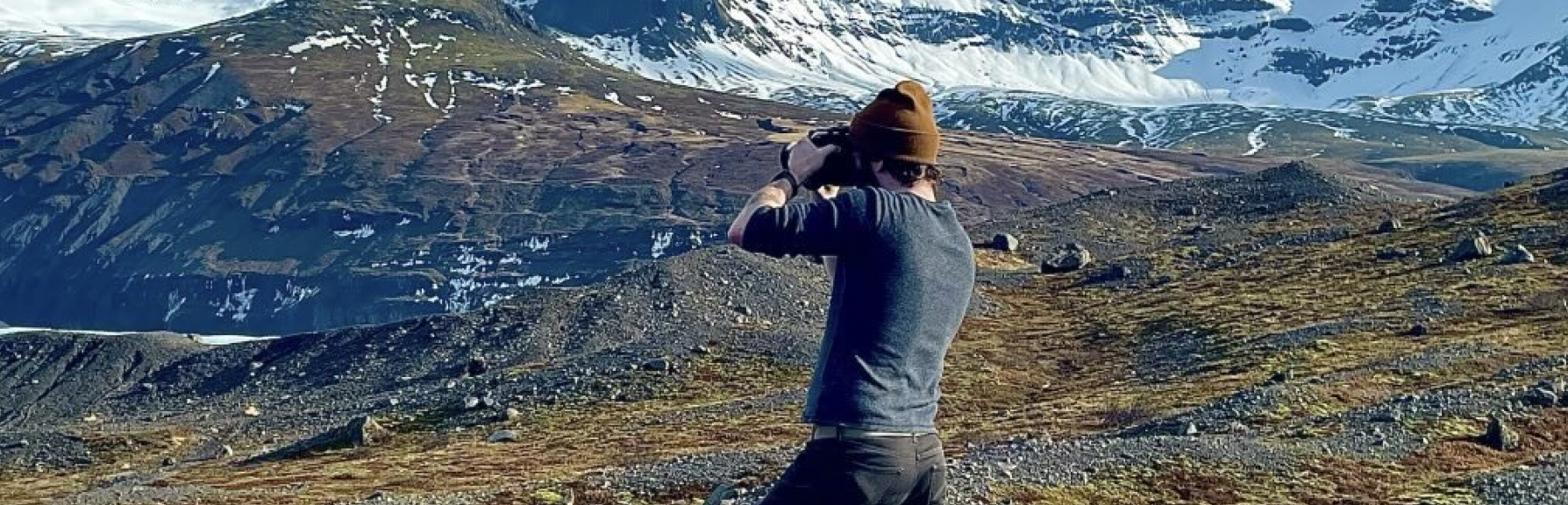
A person standing outdoors on rocky terrain with snow-capped mountains in the background, wearing a brown beanie, sunglasses, and a long-sleeve shirt.

“My capture rate is absolutely insane with Bolt Hunter... like what is even happening.”
- CONNOR HEALEY

Veteran storm chaser, and 1st place winner in Siena International Photo Awards’ “The beauty of nature”

Connor Healey Bolt Hunter Testimonial
Lori Grace Bailey Bolt Hunter Testimonial

“Bolt Hunter instantly became my go-to for its rock solid performance and durability.”
- LORI GRACE BAILEY

Professional photographer, lightning strike survivor, and monsoon photography workshop host.
Lori Grace Bailey Bolt Hunter Testimonial
rob gallucci photographer

“This changes everything. Bolt Hunter outperforms every other trigger I’ve used.”
- ROB GALLUCCI

Internationally recognized & award-winning photographer and monsoon photography tour guide.
Rob Gallucci Bolt Hunter Testimonial
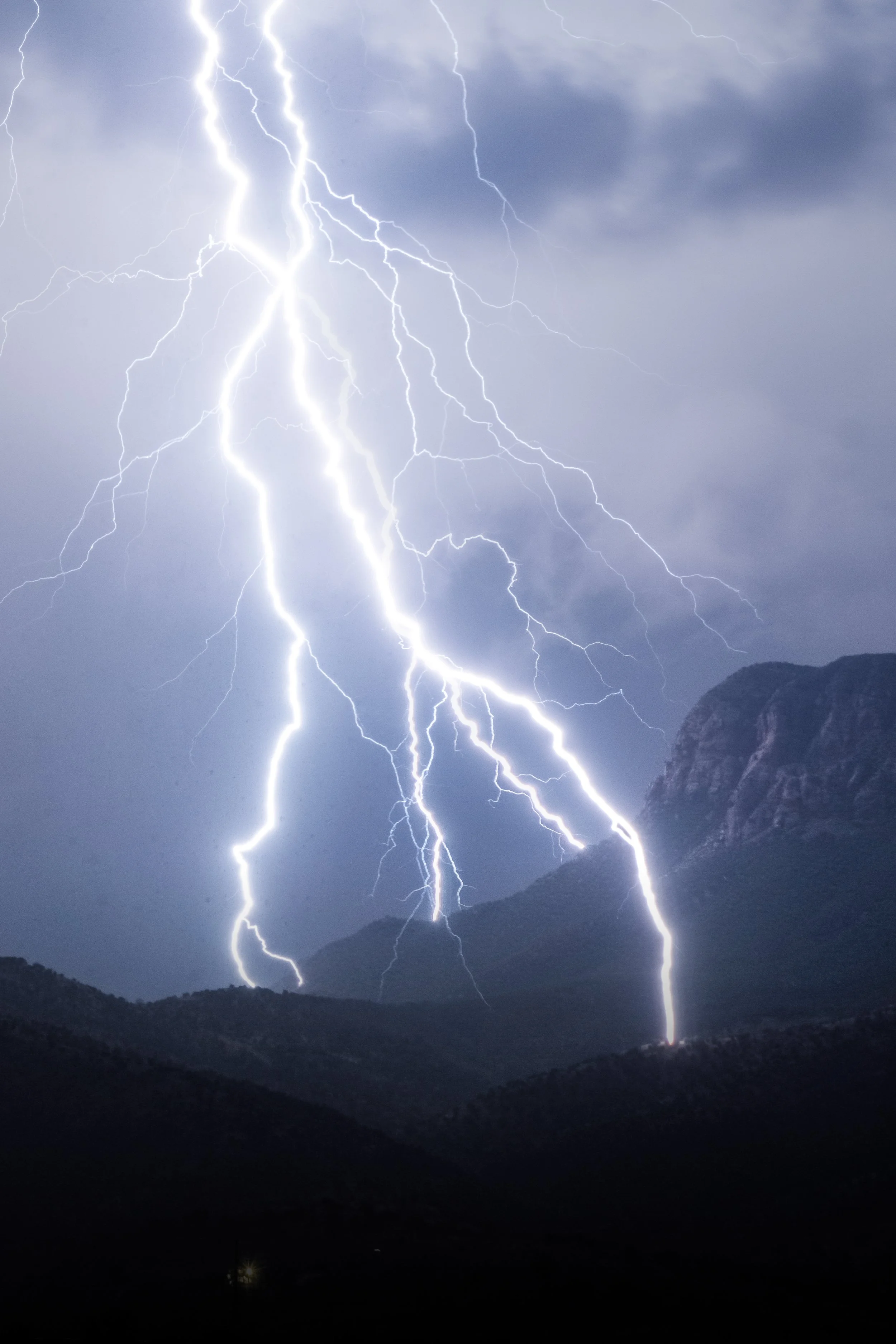
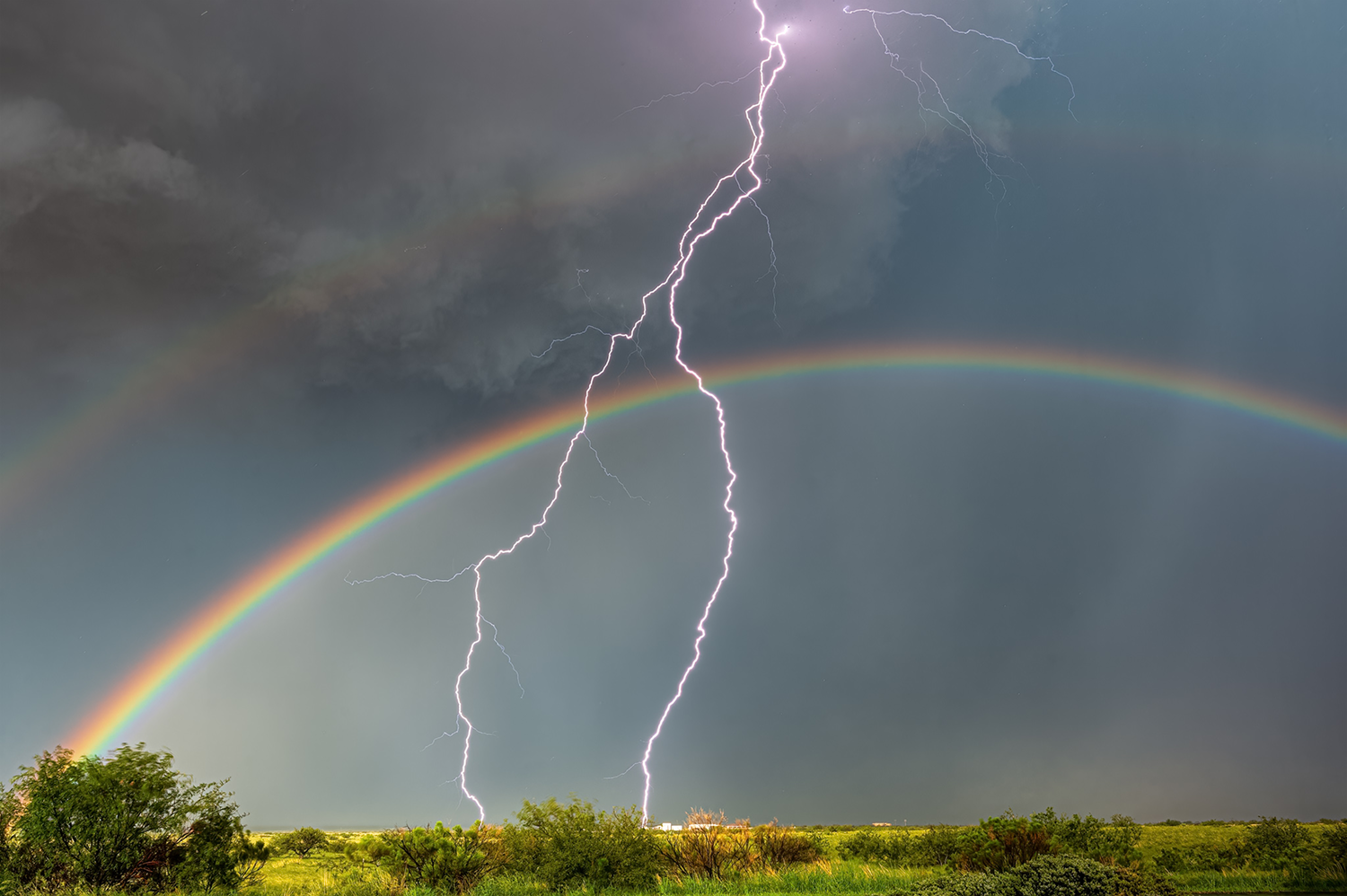
Lightning strikes over a mountain range during a thunderstorm at dusk.
Rob Gallucci Bolt Hunter Testimonial
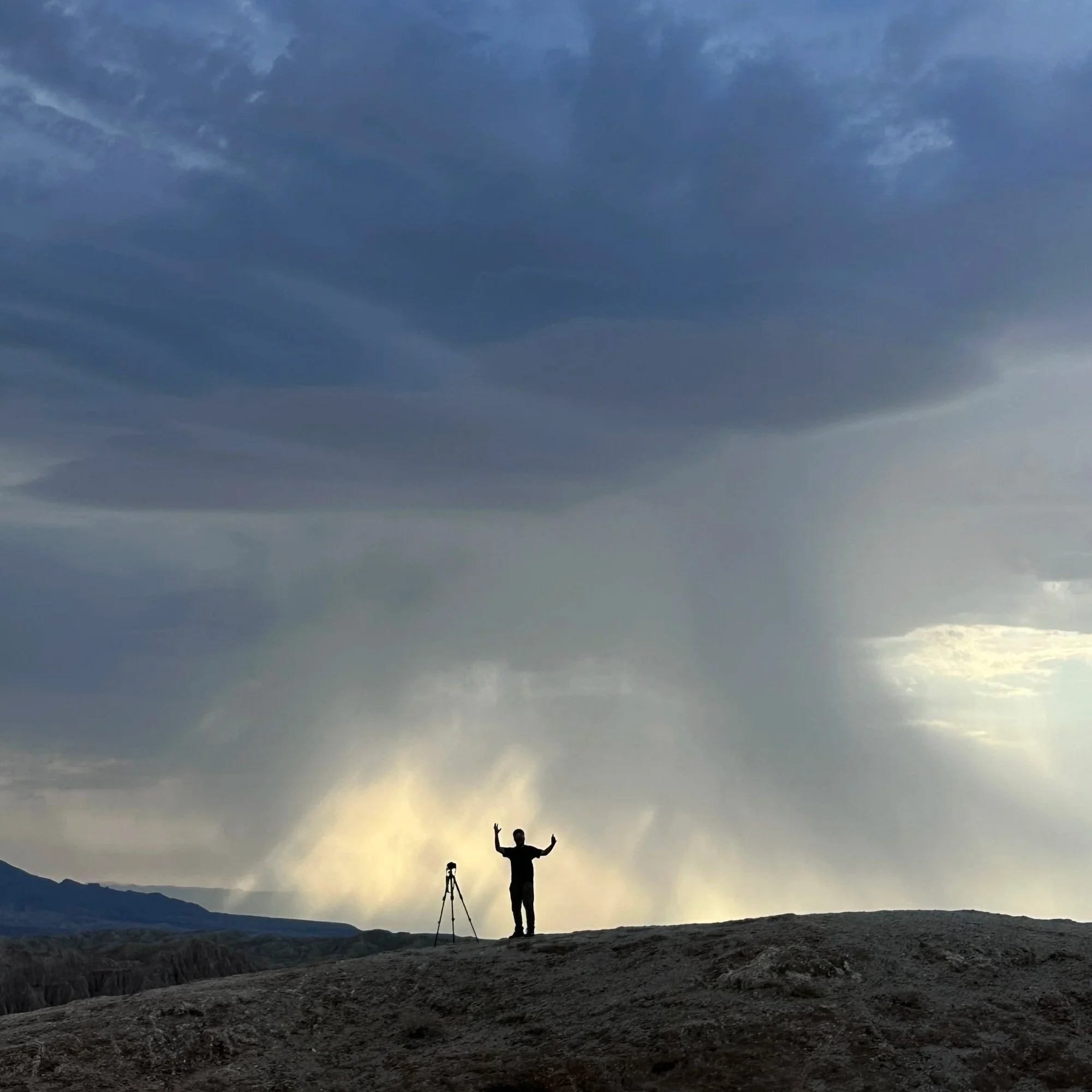
Person standing on rocky terrain with arms raised, near a tripod, under a dramatic sky with dark clouds and rain in the distance.

“This is a game changer… Bolt Hunter is the best trigger I’ve ever used by far, and it’s not even close.”
- JIM TANG

Professional storm chaser and landscape photographer
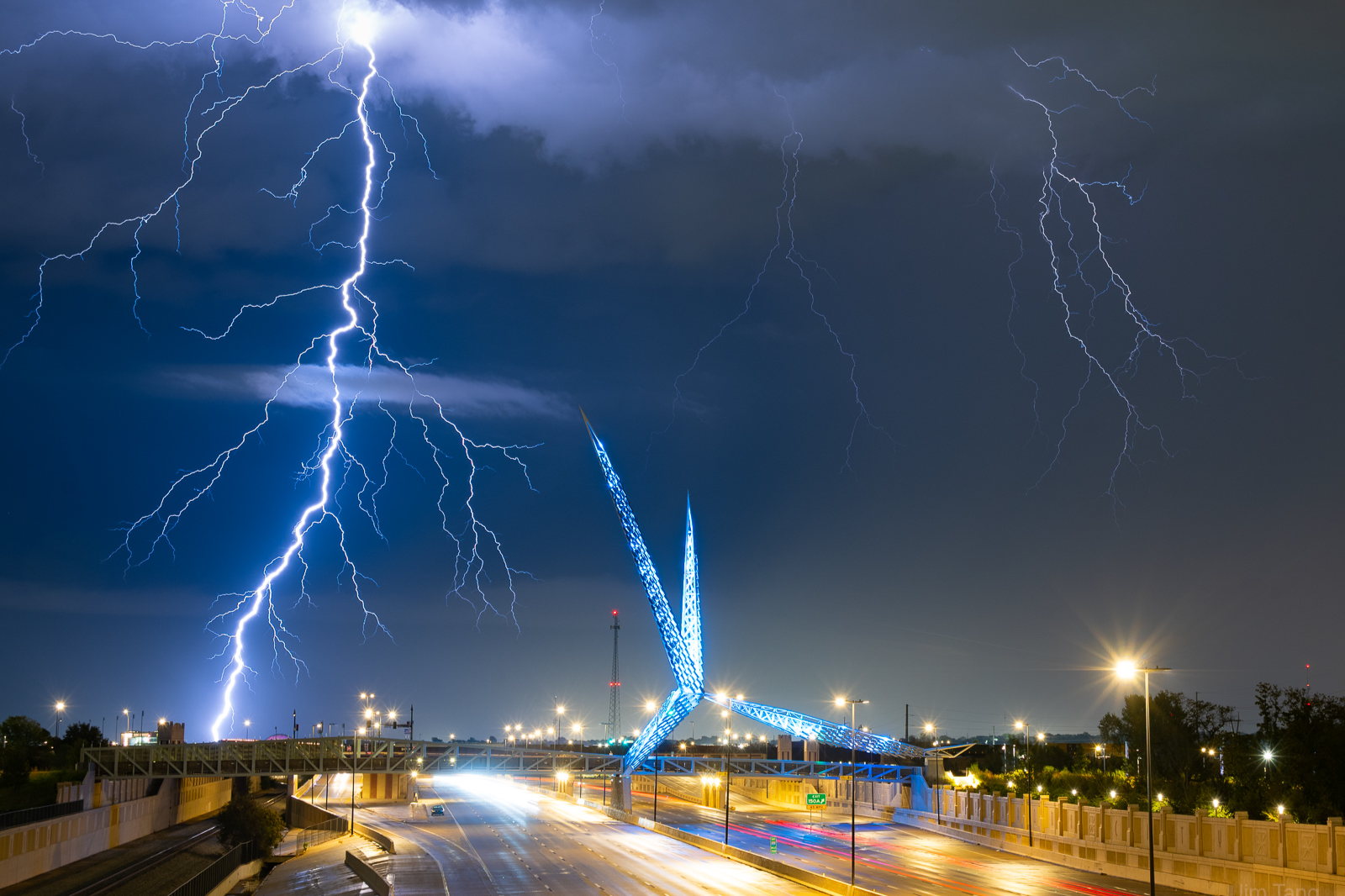
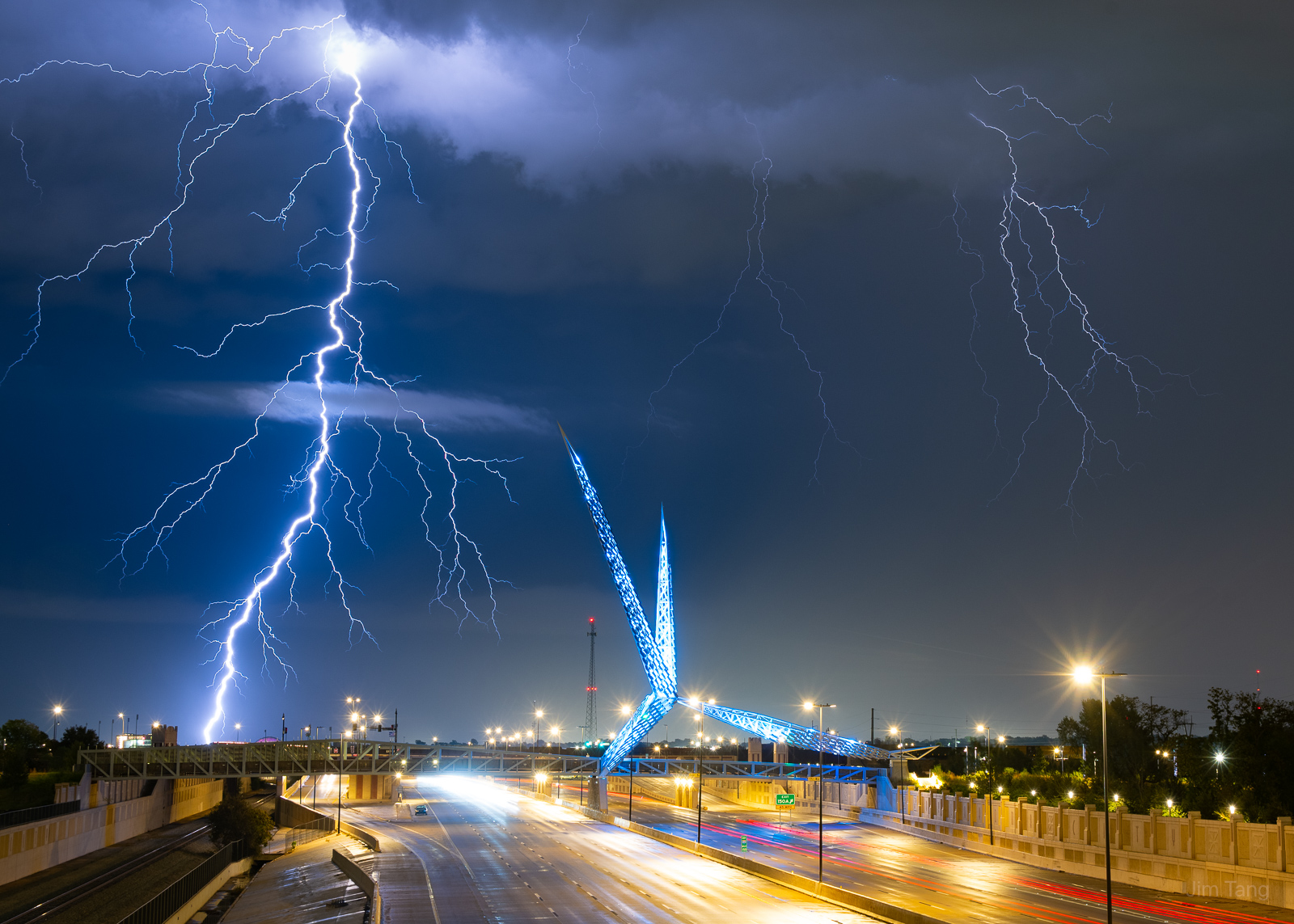
Lightning strikes over a bridge with a large, illuminated blue sculpture in the shape of a bird, on a highway at night.
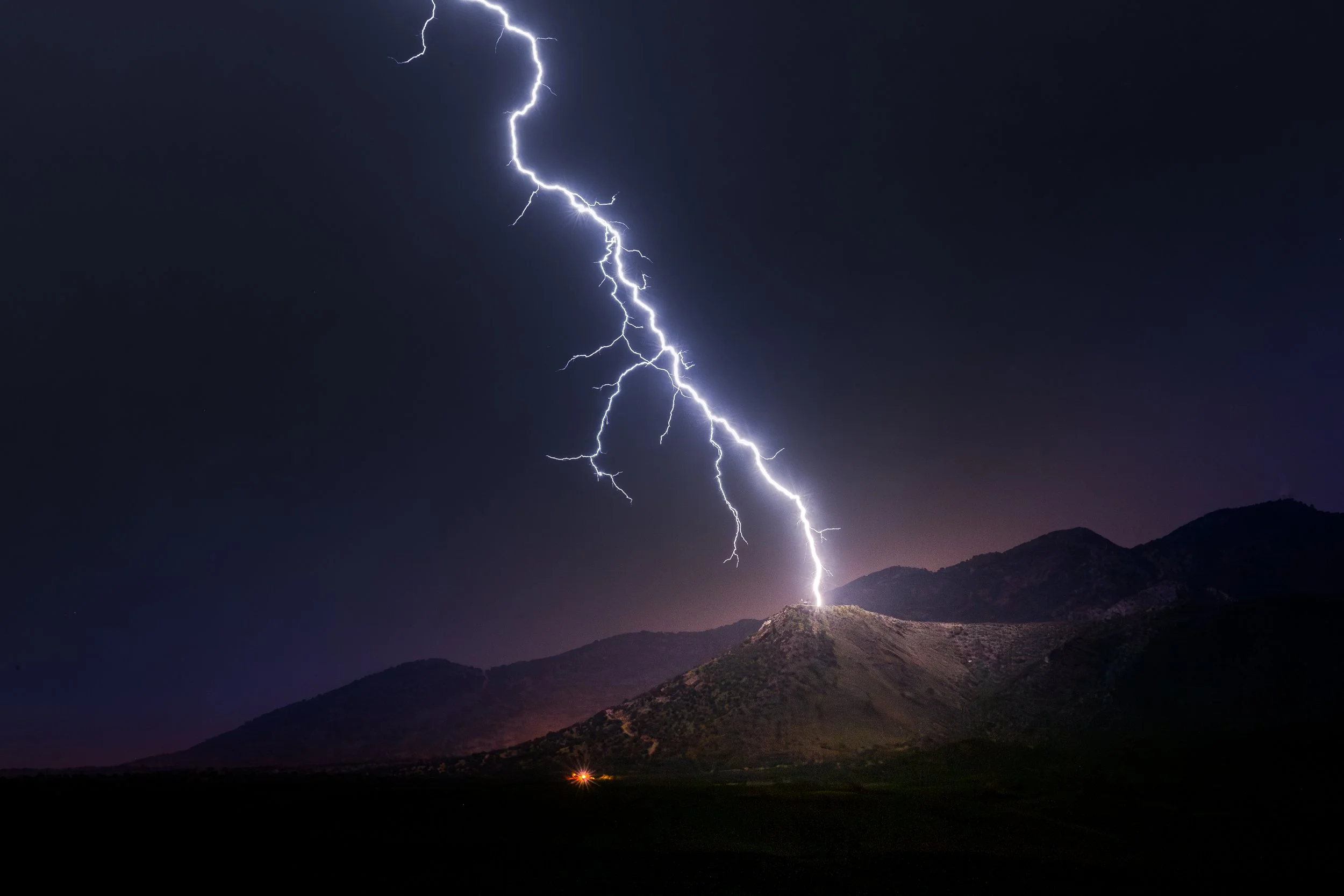
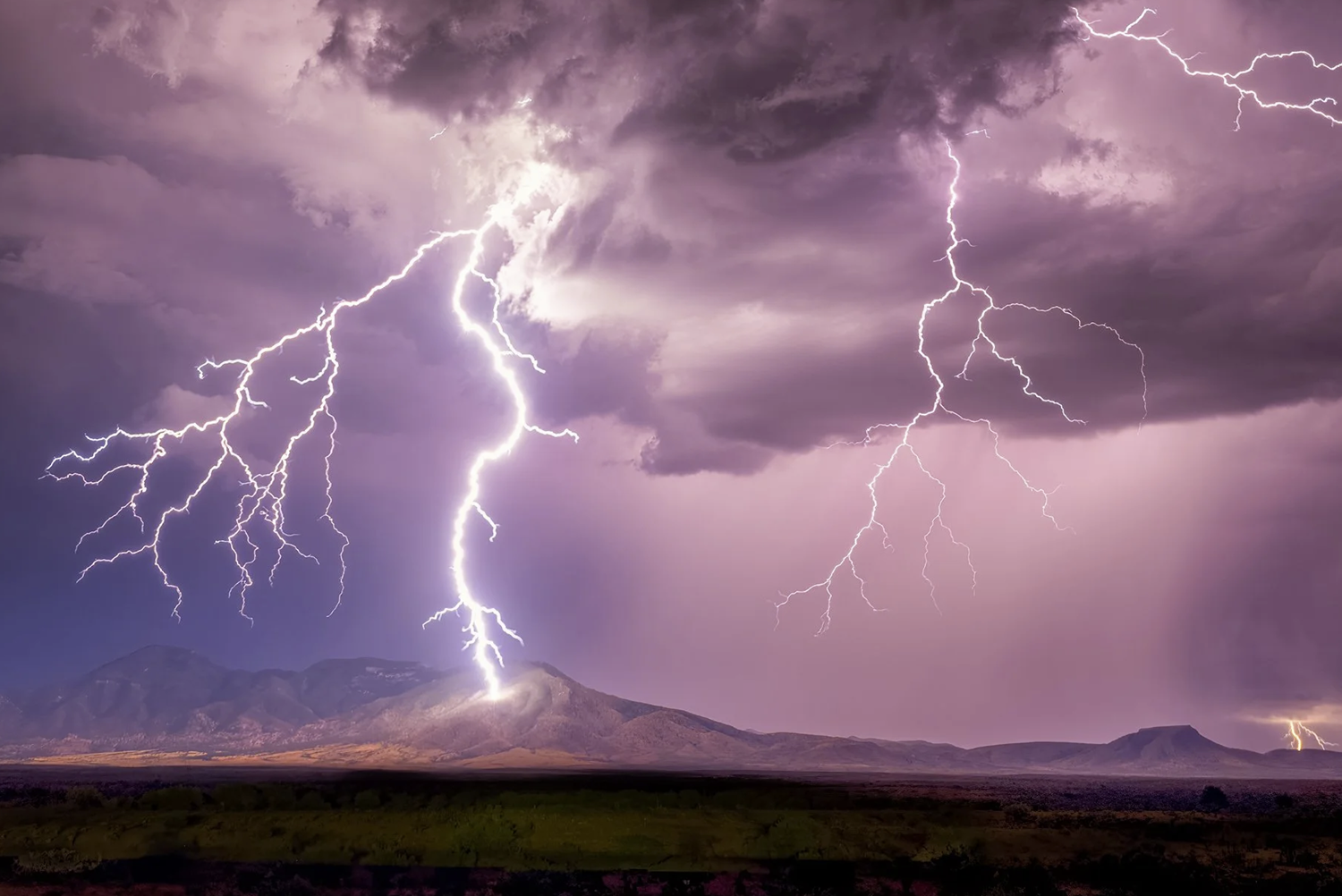
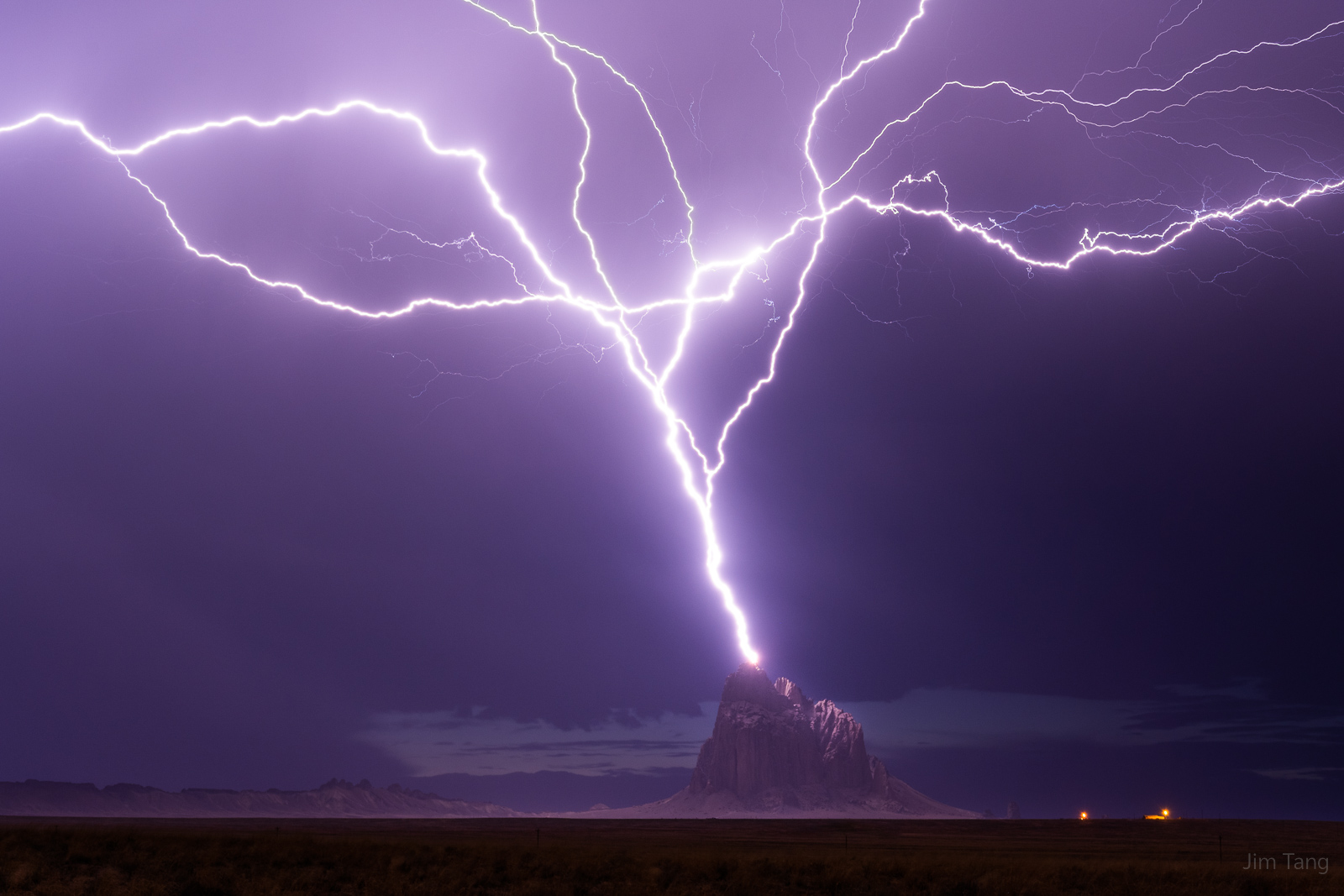
Lightning strike hitting a mountain in a desert landscape at night with dark clouds
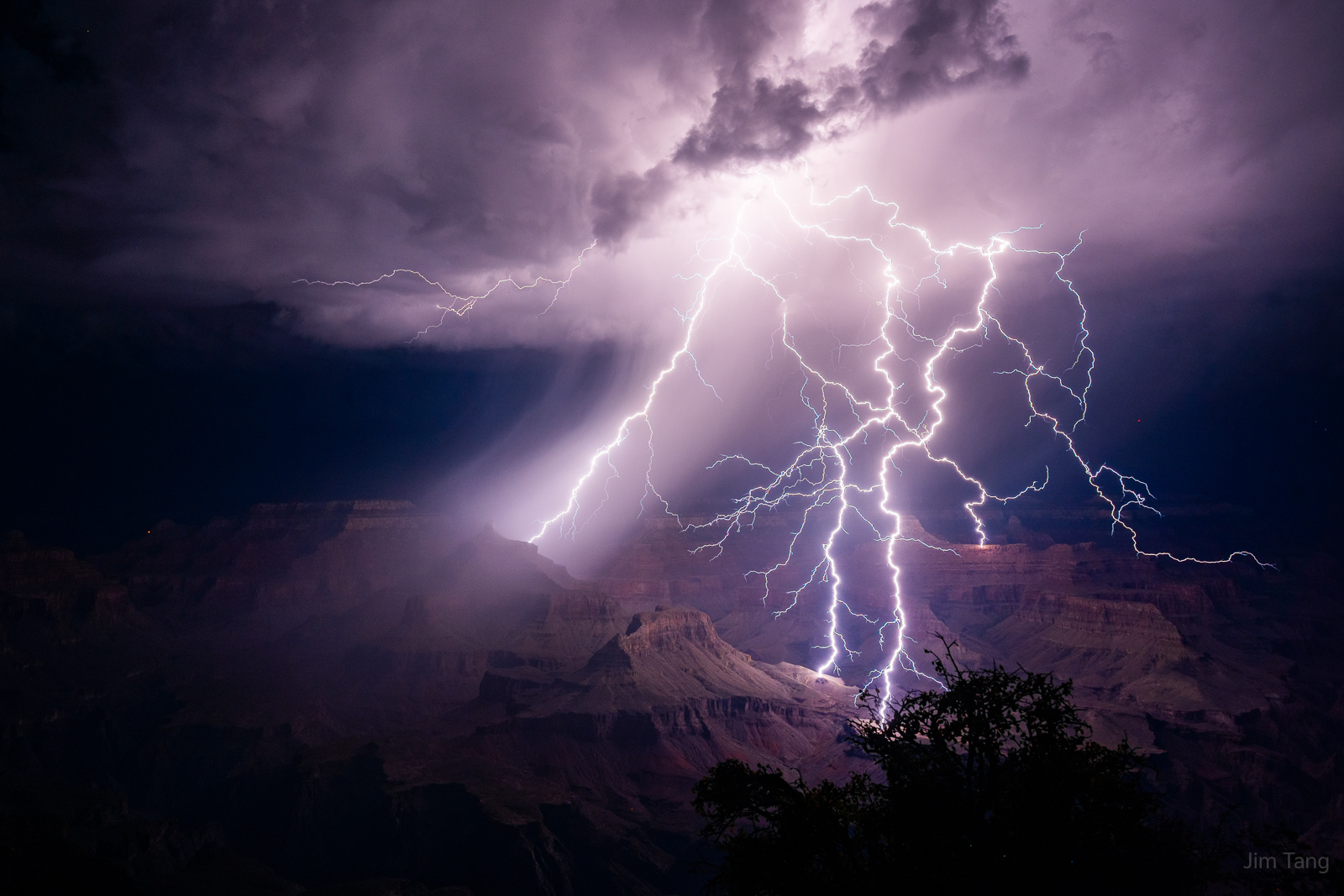
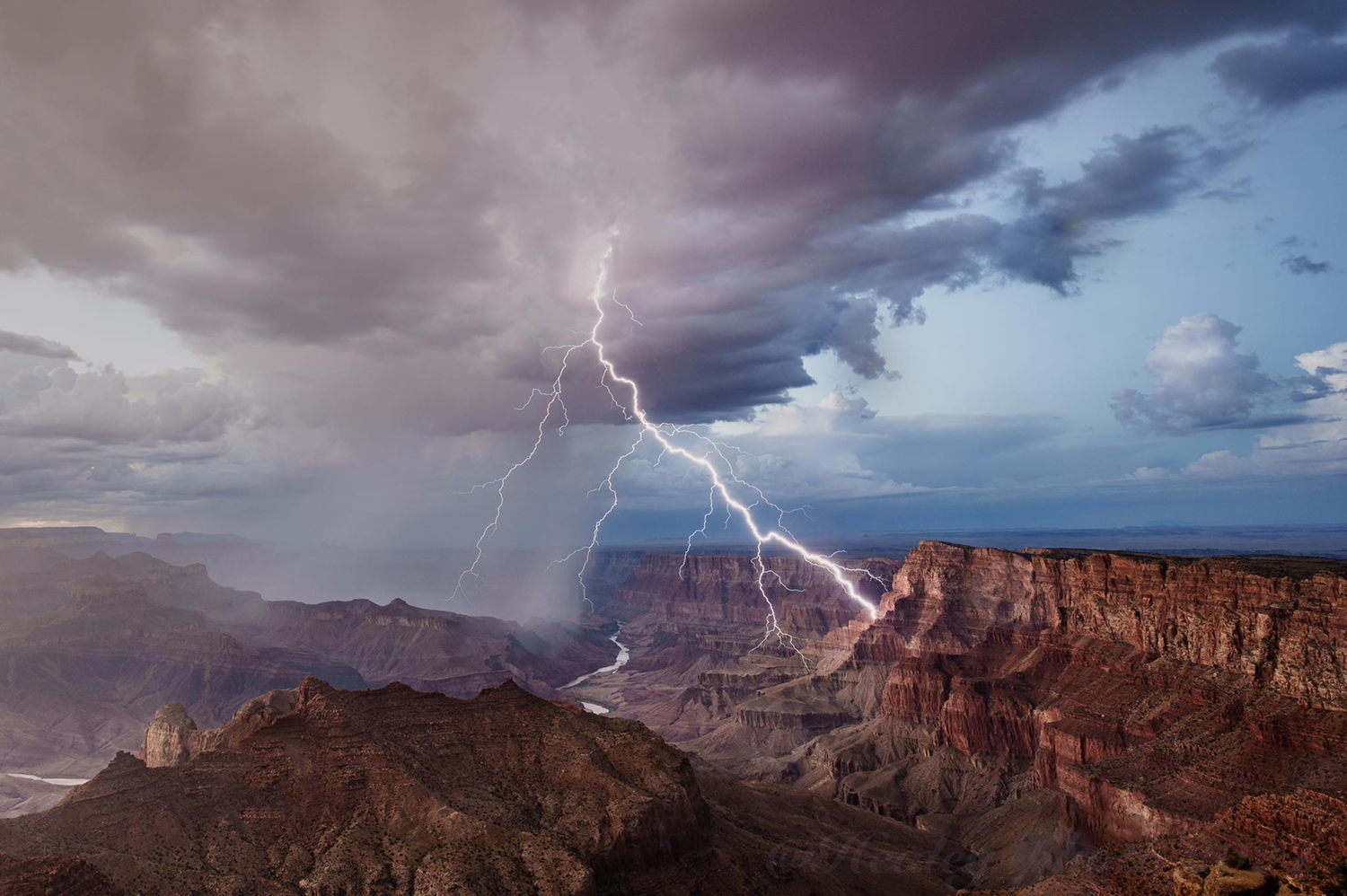
Bright lightning strikes over the Grand Canyon during a thunderstorm at night.

Our Guarantee

Try it for 60 days. If Bolt Hunter isn’t the best trigger you’ve ever used, we’ll refund you.

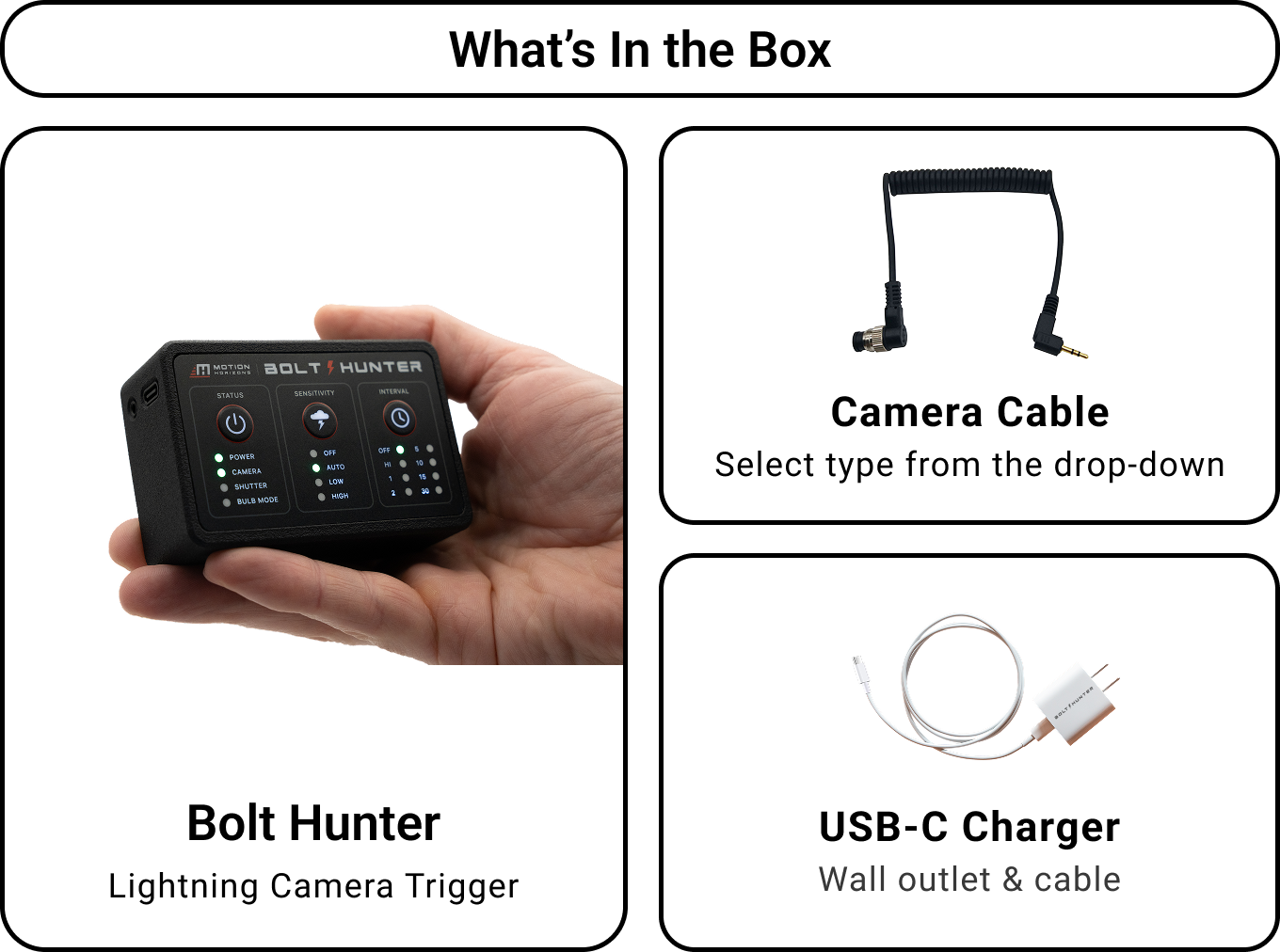
What’s in the box

Bolt Hunter

Lightning Camera Trigger

Price tag showing a discounted price of $279 for a super early bird special with limited supply, crossed out original price of $349.

Bolt Hunter launches on Kickstarter soon! Early backers get the deepest discounts and limited early-bird pricing.

Choose your camera model and enter your email to get exclusive updates and a launch-day alert.

[[OPTIONS-HERE]]

After signup, we’ll take you to the Kickstarter pre-launch page.

Man standing with his back facing a mountain valley, holding a camera, wearing sunglasses and casual clothing.

About Us

We are a team of innovators creating specialized tools for serious lightning photographers and storm chasers. As a California-based, family-owned small business, we handle all design, assembly, and support in-house.

If you’d like to get in touch, shoot us an email at info@bolthunter.io, or call or text us at (916) 469-5035‬.

FAQ

Answers to the common questions we’ve been asked.

Bolt Hunter trigger on a camera
  • Bolt Hunter supports the vast majority of cameras out there - including models made by Canon, Nikon, Sony, Fujifilm, Panasonic, Olympus, OM System, Pentax, Leica, Hasselblad, Minolta, Sigma, Contax, Kodak, Samsung, and PowerShot.

    The list of supported cameras is available above, or click here to access the drop down and search for your model.

    When you make a selection, you will also notice the shutter cable in the image changes - so you can verify you’re receiving the correct cable.

    If you don't see your camera listed, shoot us an email at info@bolthunter.io and we will let you know if there is a way to make Bolt Hunter work for your camera.

  • The first activation isn't "predictive" - Bolt Hunter fires immediately on the first detectable optical signal. Unlike many triggers that rely on larger brightness spikes, Bolt Hunter is tuned to recognize faint intracloud activity that sometimes precedes the stepped leaders.

    Earlier detection means your camera begins exposure sooner, especially when combined with Bolt Hunter's shutter lag reduction tool.

    "Predictive triggering" is what happens next.

    While your camera is in the shutter lag, exposure, and lockout stages, Bolt Hunter is analyzing the bolt in real time. It measures return stroke timing and spacing, compares to known ranges, and calculates when your camera will be ready again. Depending on the results of these calculations, Bolt Hunter may buffer and schedule a second (or even third) exposure during the same bolt at the time it "predicts" will be most successful.

    It’s not predicting when lightning will strike.

    It’s predicting how to maximize success capturing the different stages of a lightning event that has already begun. This whole process happens in milliseconds (thousandths of a second).

  • We designed Bolt Hunter to address the complaints and shortcomings of every other trigger on the market. Instead of building a do-it-all device that's marginal at many things, we built something exceptional at one: lightning photography.

    Smarter Detection & Timing
    - Automatically adjusts to changes in ambient light — set sensitivity once and leave it
    - Prevents shutter hammering when the sun comes out; reduces missed bolts when light levels drop
    - Designed to function even pointing directly into the sun
    - Measures your camera's actual shutter lag and helps you reduce it

    Built for the Field
    - One of the smallest lightning triggers available, with single-button setup — no menu diving
    - Weather-sealed to survive even the heaviest downpours
    - 48+ hour lithium battery built-in — with zero current draw when off — no more dead 9v surprises
    - Auto-tightening cold shoe mount — no loose fit or slipping in the hot shoe, and no moving parts
    - Sacrificial mount design protects your camera if it takes a hard fall — $15 user-replaceable cover

    Workflow Features
    - Built-in intervalometer runs timelapses while simultaneously triggering on lightning — designed specifically for storm photography workflows
    - Night Mode uses BULB mode for long exposures to catch the photogenic early stages, then ends your exposure before repeated return strokes blow out the shot
    - Built-in lightning simulation lets you test your setup and see which return strokes will be captured
    - Bluetooth companion app for advanced settings, shutter lag reduction tool, and in-field firmware updates when new features and performance improvements are released

    Reliability & Monitoring
    - Connection monitoring alerts you if the cable is loose or camera is off — no silent failures
    - Motion alert optionally notifies you via app if the camera moves, blows over, or walks away
    - Optional audible feedback from integrated speaker, for triggering confirmation and error alerts
    - Standardized cables — nothing proprietary here, buy replacements from us or retailers like Amazon

  • Nope! Bolt Hunter was designed for rapid in-field deployment and works completely on its own. Lightning triggering & timelapse functionality does not require the app.

    However, the mobile app is required for:

    - Measuring and optimizing your camera’s shutter lag

    - Advanced functionality such as predictive triggering for subsequent return strokes

    - Firmware updates

    If you just want to mount it and start shooting lightning, you can. If you want to unlock the full performance envelope, the app enables that.

  • If you have a 2.5mm TRS Y-splitter, it should work. However, we don't sell them since Bolt Hunter is designed to work with a single camera by measuring its specific shutter lag and predictively timing the exposure. Shutter lag can vary by camera - even of the same model, so your mileage may vary. That being said, if you're set on using one trigger for multiple cameras, you can disable the predictive timing feature.

  • Every trigger is going to miss some shots - even Bolt Hunter. If there's no intra-cloud flash preceding the stepped leaders, and the bolt has a single return stroke, there isn't a trigger in the world that can catch it - despite what they claim. There are some other scenarios where you might miss the shot as well, but they're more a matter of luck versus trigger tech. For example, if another exposure has just ended, all cameras have a lockout period before they can re-trigger. Even though Bolt Hunter has buffered triggering to overcome this, every now and then a pesky bolt will fall through the cracks.

  • Short answer: Bolt Hunter is fully compatible with pre-capture capable cameras, and together they can make the strongest lightning photography setup available. But is pre-capture alone a replacement for a dedicated trigger? Not quite.

    Where pre-capture has the edge: Cameras with pre-capture may catch single-stroke daytime bolts with no preceding intracloud flash — the kind that happen too fast for even the best trigger to respond to due to shutter lag.

    Where pre-capture falls short: Rolling shutter artifacts are common unless you have a global shutter camera — which are currently among the most expensive consumer cameras on the market and generally come with resolution tradeoffs

    The workflow requires you to manually attend the camera, watch the sky, and press the shutter after a bolt occurs — then dig through buffered frames to find the one you want.

    The process of selecting and saving frames has frustrated many photographers, and the software manufacturers require for this leaves a lot to be desired, though this will hopefully improve over time.

    Pre-capture modes may also apply compressed raw output not required during normal shooting.

    When in pre-capture mode, Bolt Hunter will delay triggering until after the lightning event ends, so your camera saves the images from the most photogenic stages of the bolt!

  • Yes! Most modern cameras support BLE (Bluetooth Low Energy) triggering, and Bolt Hunter enables wireless triggering on most Sony, Canon, and Nikon cameras. We are currently working on development for other brands as well.

    Some new cameras also ditch their dedicated remote shutter release ports in favor of USB-C ports (such as the Sony A7 V). Sony unofficially supports triggering through the USB-C port, but it is slower than both traditional remote shutter release ports and Bluetooth triggering. So while it’s possible, for lightning we recommend using Bluetooth to decrease shutter lag.

    Note that Canon cameras with only USB-C ports (such as the R50) do not support USB-C triggering, and will require Bluetooth if they don’t have another dedicated shutter release port available.

  • Daytime lightning photography is a balancing act: your exposure needs to be slow enough to catch the bolt, while letting enough light in that the bolt shows up bright and distinct against the background.

    Shutter Speed: Aim for 1/15 sec or slower. Higher shutter speeds increase the chance of your exposure landing between return strokes and missing the bolt entirely. If conditions require faster shutter speeds, enable Bolt Hunter’s predictive triggering to compensate.

    ISO: Set it as low as your camera allows — typically ISO 50 or 100. This keeps noise low and gives you more flexibility with aperture and shutter speed.

    Aperture: A good goal is to be around f/8. Avoid going higher than f/11 for two reasons: diffraction will soften your image, and the increased depth of field makes sensor dust more visible in your shots.

    ND Filters: Avoid them when possible. If ambient light conditions require one, use no stronger than 3 stops. Stronger ND filters reduce the light reaching your sensor and cause bolts to appear washed out.

    Nighttime lightning is a different story. Rather than triggering to start the exposure, Night Mode works in reverse by holding your shutter open in BULB mode and closing it when a bolt is detected, protecting your exposure from being blown out by repeated return strokes.

    With Night Mode enabled, Bolt Hunter controls the shutter speed (usually 15-30 seconds), so your job is to dial in ISO and aperture for the scene. Keep ISO between 100 and 400 depending on ambient light, and aperture between f/5.6 and f/11. A brighter scene or closer bolts means you should lower the exposure.

  • Detection range depends entirely on ambient light conditions, but Bolt Hunter has successfully triggered on bolts over 30 miles away during daytime. At night the range is further.

    As a rule of thumb, if a bolt is close enough to be worth photographing, even with a telephoto lens, Bolt Hunter can detect it.

  • We have tons of pretty cool ideas, and some will be easier to implement than others. In addition to more advanced wireless camera control, one of these is Dynamic Exposure Control. This would allow bulb-ramping when shooting timelapse with Bolt Hunter, so you get smooth daytime-to-sunset transitions all while triggering on lightning as a storm rolls through. 

    There is one other pretty exciting idea... Have you ever been shocked by your tripod when shooting lightning? It's more common (and dangerous) than you might think and has happened to us quite a few times over the years. We've done some testing with a Tesla Coil to simulate the electric field that causes this, and we actually think Bolt Hunter can detect when a close-range lightning strike is imminent, and even notify you to take cover immediately. Theoretical at this point...but we are going to test it out this year and see if it works!